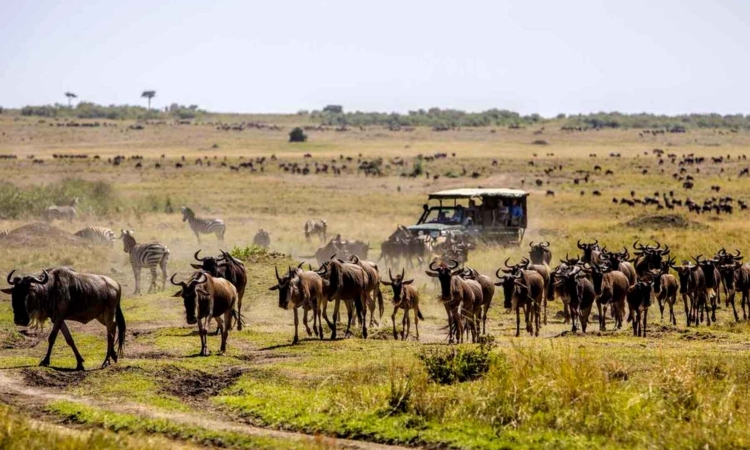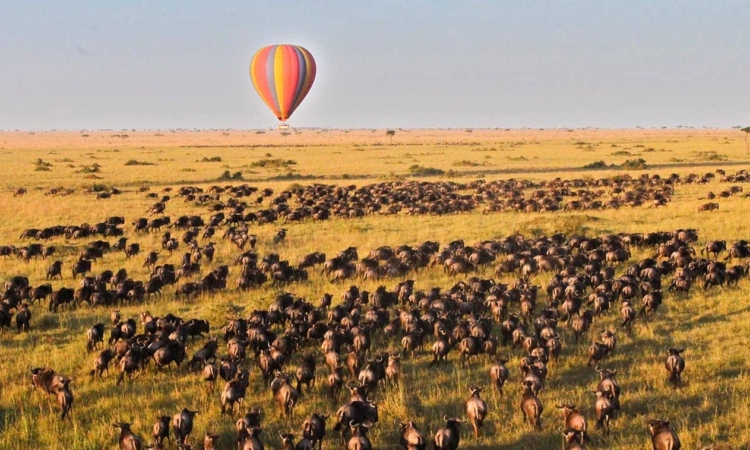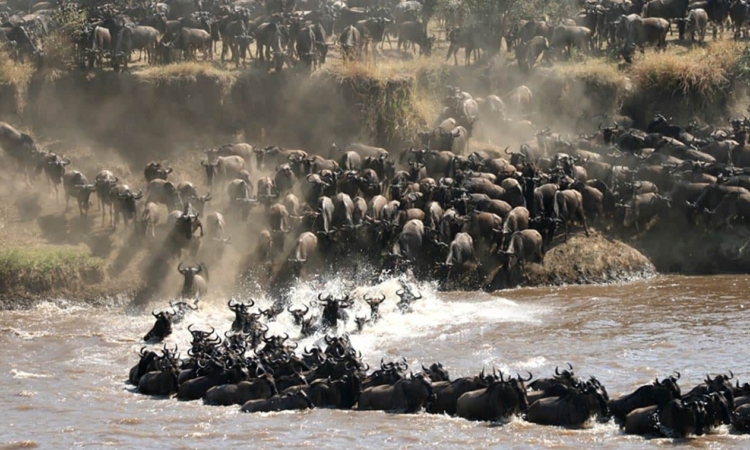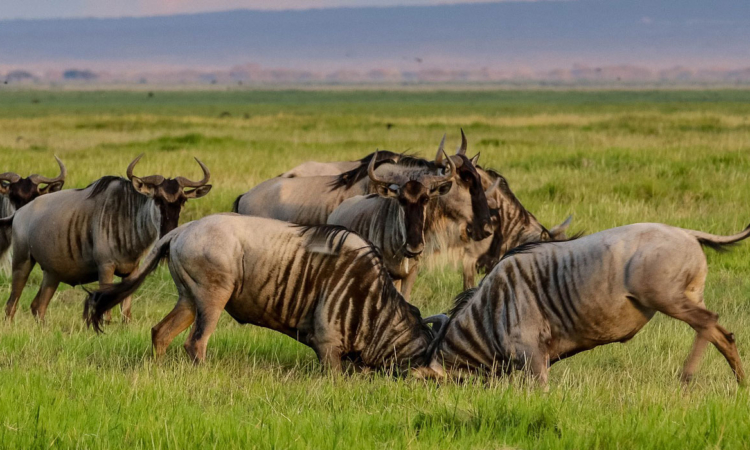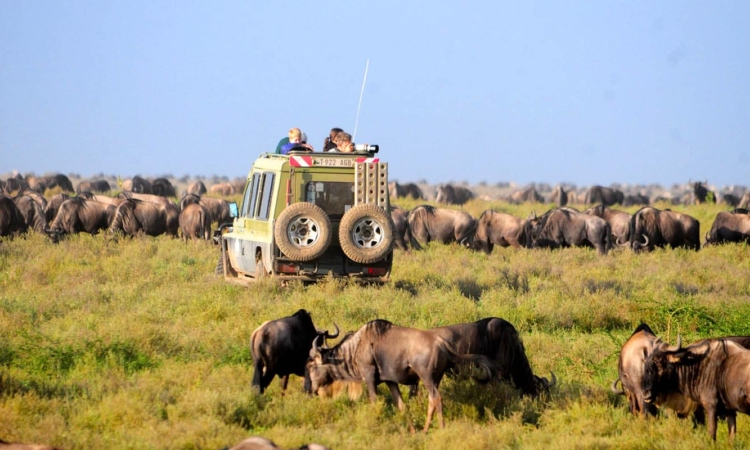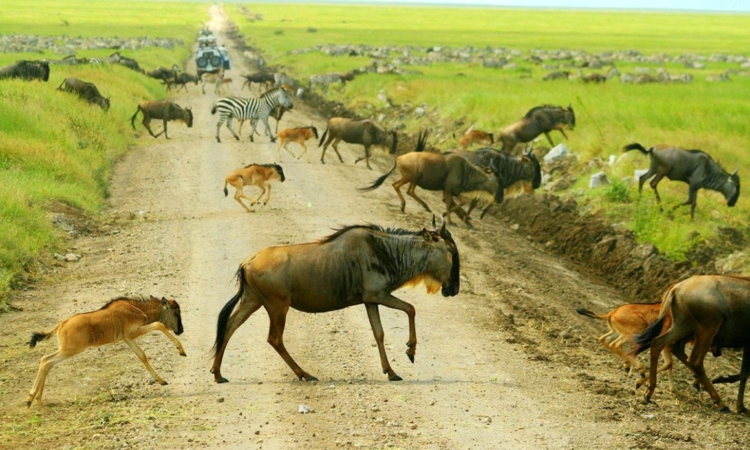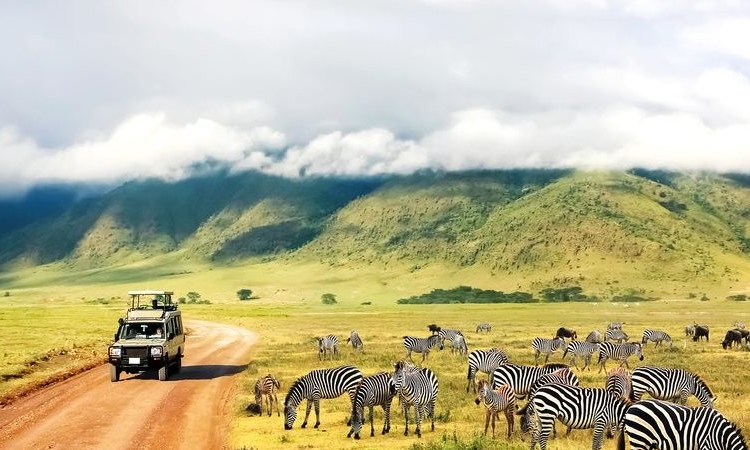
Masai Mara national reserve is situated in Kenya and its part of the Mara-Serengeti ecosystem spanning over 30,000 kilometres across Tanzania and Kenya. Millions of tourists come to witness one of the most outstanding wildlife shows on earth in Masai Mara game reserve from July to September when over 1.5 million animals migrate to the reserve from the neighbouring Serengeti national park in search of fresh grass and water.
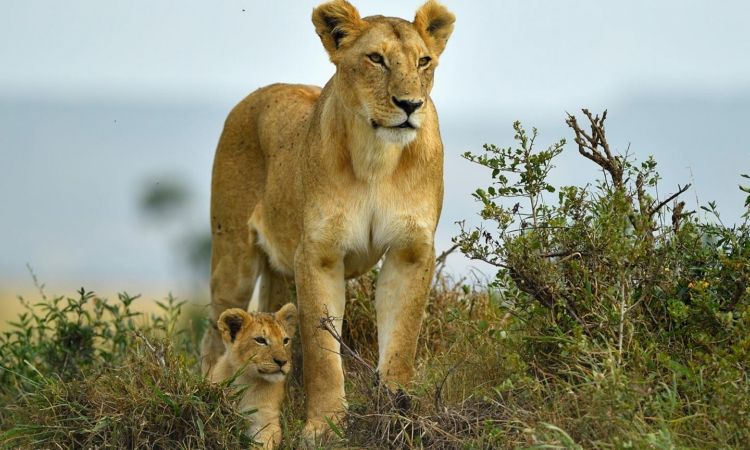
Masai Mara national reserve has some of the highest animal concentration in Kenya guaranteeing tourists excellent wildlife watching opportunities including the big five. Some of the animals you can spot during a safari in Masai Mara include African Cape buffalo that inhabits the Mara plains. The animals at the reserve include; lions, leopards, cheetahs, wildebeests, hartebeests, warthogs, African bush elephant, dikdik, zebras, Thompson’s gazelles, Grants gazelle, spotted hyenas, black and white rhinos, crocodiles, hippos, black backed jackals, foxes and genets to mention a few.
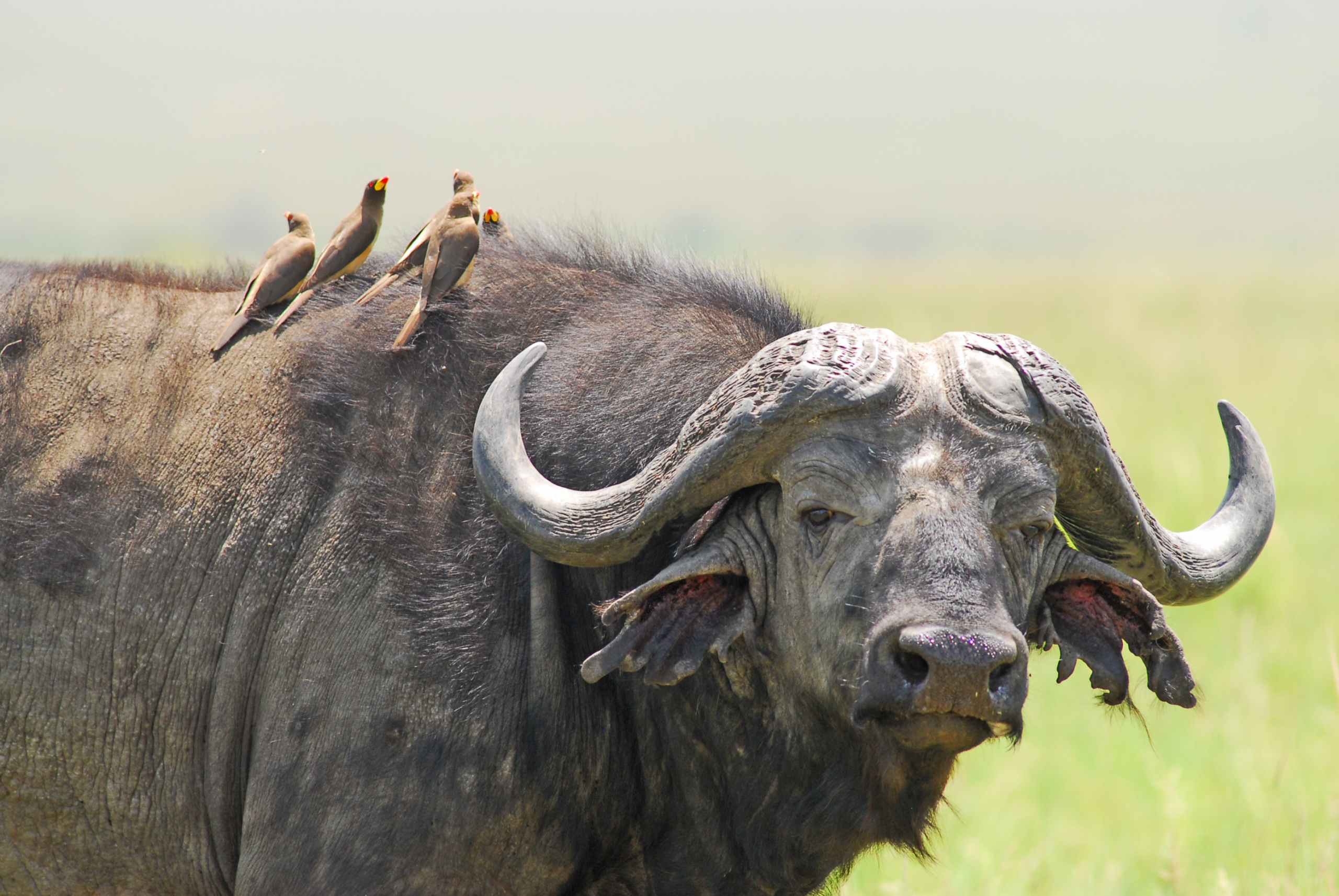
Buffalos in Masai Mara
There are five subspecies of African buffalos recorded that is African cape buffalo, African forest buffalo, wild water buffalo, American bison and European bison.
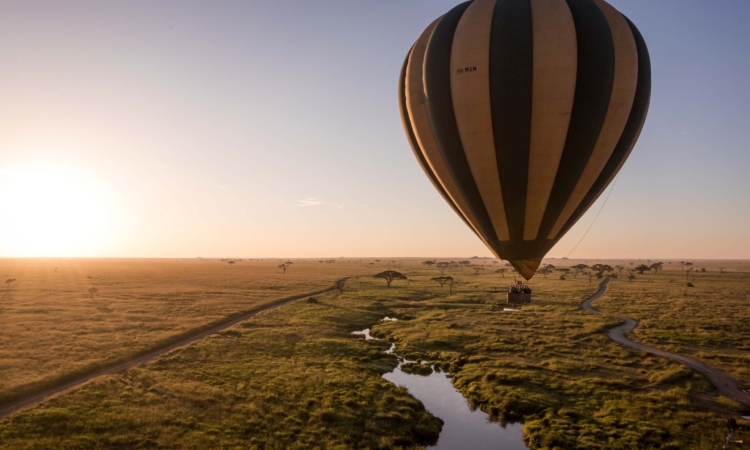
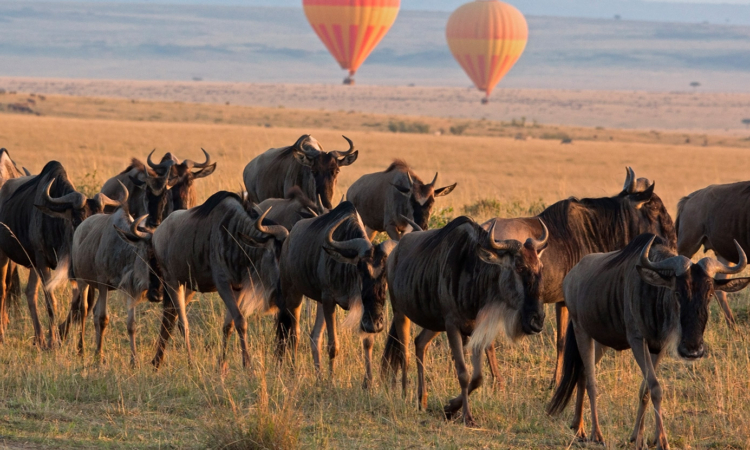
There are about 900000 buffalos spread across the world. Masai Mara national reserve is home to about 28000 buffalos. They can be seen in large herds during game drives or hot air balloon safaris.
The buffalos found in Masai Mara are African cape buffalos. They are the largest species of the five sub species found in East and South Africa. The African Cape buffalo is also among the African big five. They weigh 425 to 870 kilograms with males slightly heavier than females.
Buffalos depend on water on a daily basis. They can be seen near water pools, channels and rivers in the reserve. Buffalo horns come close at the base forming a shield known as boss. Horns are used for defence against predators and interactions with other males while fighting for territories.
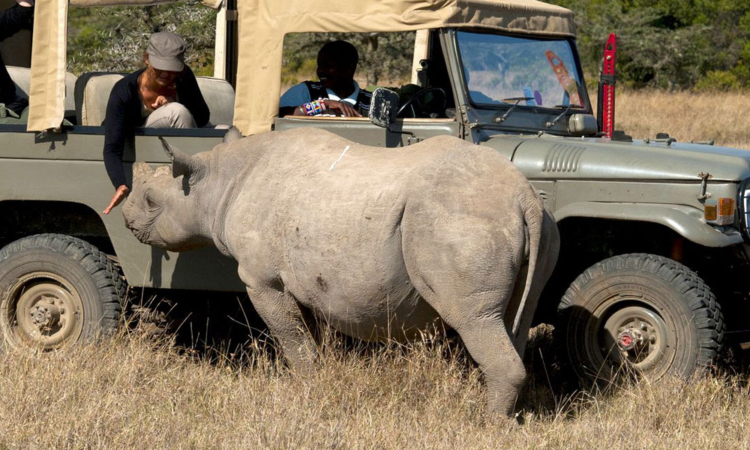
Natural predators of buffalos in Masai Mara are lions, hyenas and Nile crocodiles. Buffalos aggressively defend themselves from predators. A group of buffalos can injure and kill a lion. That’s why it takes a number of lions to hunt down and kill a fully grown strong buffalo. Sometimes rhinos and buffalos can fight for territories.
Crocodiles attack young and old buffalos at water points when drinking water. Other predators like cheetahs, African wild dogs, leopards and hyenas also attack young and old buffalos. The herds also make sure young calves are protected by older ones by being in middle.