



Tanzania’s Wildebeest Migration.
When speaking of wildebeest migration safaris, Tanzania is part of the countries that cross your mind. This is one of the countries offering the best wildlife safaris in Africa, its vast lands are stunning and welcoming to the wildlife animals and natural vegetation like grasslands that cover most of the national parks in Tanzania.
Tanzania’s most popular park is Serengeti National Park and the main attraction is wildebeest migration with the park being its starting point. The park is also home to the big five safari animals which include lions, leopards, elephants, buffaloes and rhinos. Tarangire National Park, Ngorongoro Conservation Area where the largest known caldera in the world and Lake Manyara National park are some of the iconic wildlife homes in the country.
One of the main attractions for visitors in Tanzania include the famous wildebeest migration, which is a natural phenomenon that occurs every year in northern Tanzania and southern Kenya. The migration is considered one of the world’s greatest wildlife spectacles and a must-see for any wildlife enthusiast. Tanzania is not only a destination for wildebeest migration but also a hotspot for hiking to the highest peak Uhuru located on the renowned Mount. Kilimanjaro which happens to be the country’s landmark and Africa’s tallest mountain.
The beautiful coastline of Tanzania is another gem you should uncover while in the country, it has plenty of white sand beaches, beautiful resorts and the best honeymoon destination in East Africa, -Zanzibar Island in the middle of Indian Ocean. This tropical paradise offers lots of activities one can participate in such as beach games, boat rides, swimming, scuba diving and snorkeling and also paying visit to iconic sites like Stone town, Prison island, Nungwi beach and spice plantations.
The Wildebeest Migration Safaris in Northern Tanzania.
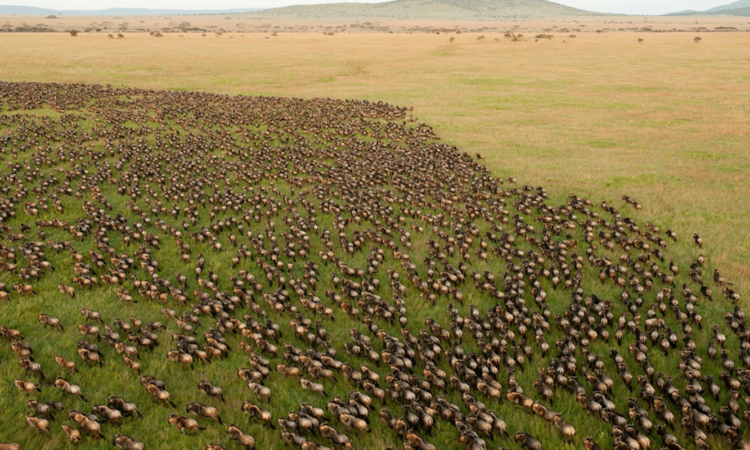
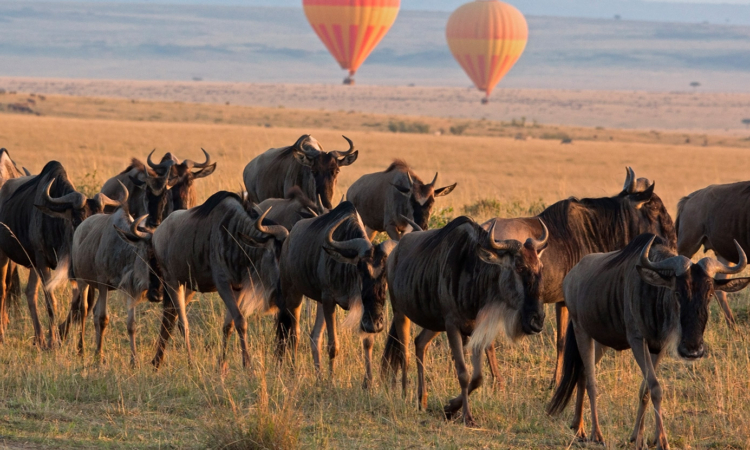
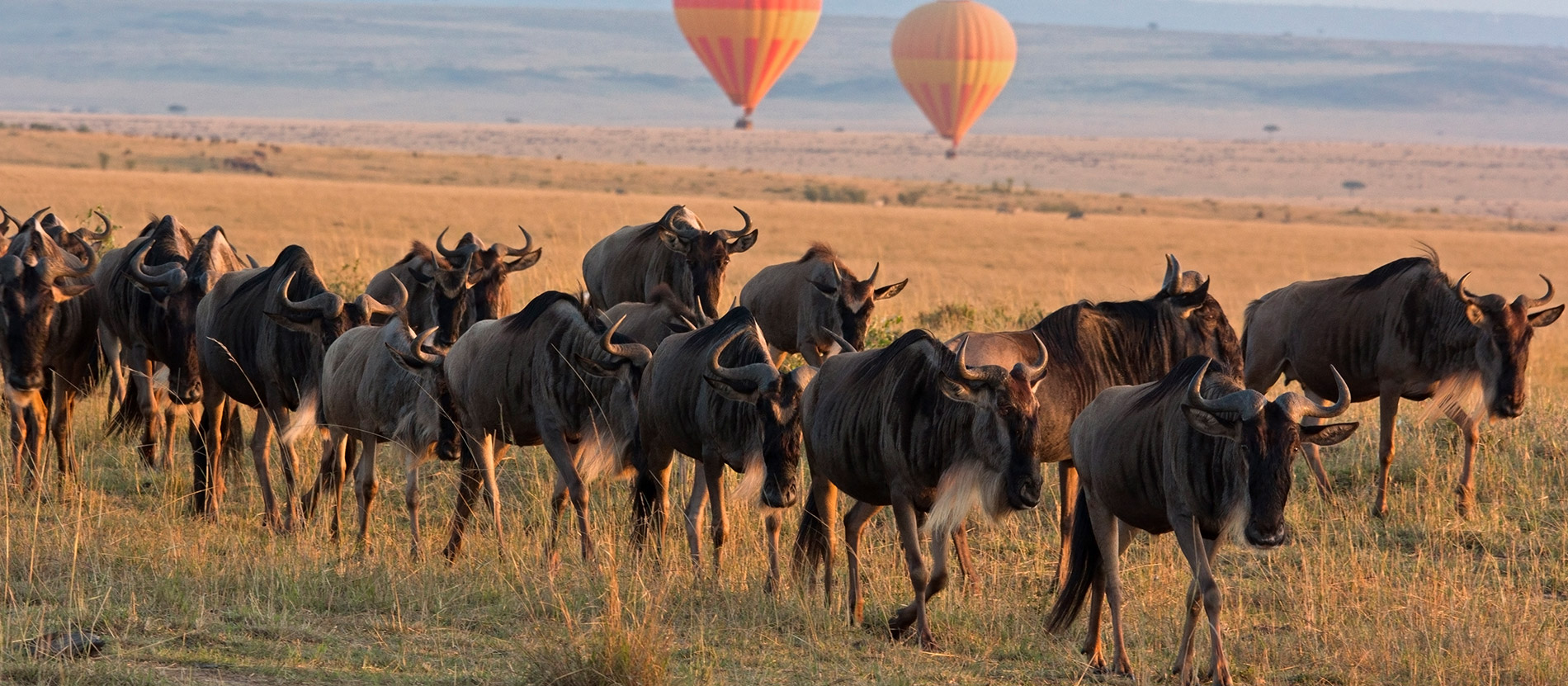
The wildebeest migration is a mass movement of over one million wildebeests, zebras, and other herbivores as they travel between Tanzania’s Serengeti National Park and Kenya’s Masai Mara National Reserve.
Great wildebeest migration derives its greatness from the over 800 square kilometers trekked by more than 1.2 million wildebeests and herbivores such as gazelles, Topi and Zebras tag along this incredible quest for food and water. The migration happens in circular movements that happen each year; commences from Serengeti National Park and transverses towards the North in Masaai Mara game reserve in southern Kenya.
The cycle elongates to the Ngorongoro Conservation Area, where animals are noticed around this area located in the southern corner of Serengeti National Park. The animals later continue towards Masai Mara in Kenya and make a return journey back to Tanzania towards December every year.
The next destination of the migration majorly depends on the weather and where the fresh grasses and water are, once the grass starts to dry up an turn brown, the animals start moving to where there are rains and fresh grass. Scientists have observed that the wildebeest can sense rain in area as far as 5km away, they are also able to respond towards lightning and thunderstorms happening at a distance.
The Best National Parks to Witness Great Migration in Tanzania.
The wildebeest migration occurs mainly in the areas within East African Rift valley and this is where national parks like Serengeti, Ngorongoro, Manyara and Masai Mara are located. And these are the best locations to witness the animal migration.
Serengeti National Park. This is the original home of wildebeests, located in the north of Tanzania. Wildebeests have been grazing in these plains for as long as they have lived, they wander across the wide plains of rift valley and the open woodlands. Serengeti is the oldest, largest and most famous park in Tanzania, occupying about 14,750 square kilometers.
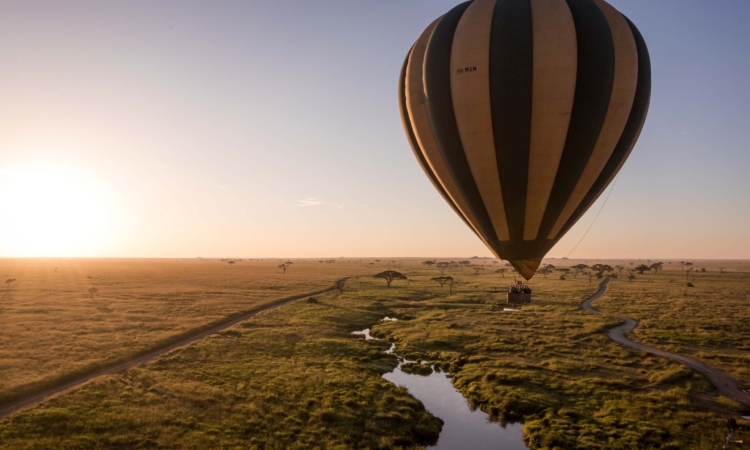
The park has lots of wildlife species apart from wildebeests such as the big 5 African animals. It also offers remarkable game drives and balloon safaris, with perfect accommodation facilities and camping sites. During the migration, these animals get to cross their first river Grumeti infested with hungry predators especially crocodiles.
Ngorongoro Conservation Area. Another great location to witness great migration in Tanzania is the Ngorongoro Conservation Area located just close to the Serengeti National Park. This is a UNESCO World heritage site located in Tanzania’s northern circuit. It is a protected area that also consists of a unique landscape, oldest known crater formed a million years ago when a volcano collapsed into the earth.
This area is best for those who want lesser crowds and it also attracts lots of other animals that you’ll see converging around the crater – Ngorongoro’s main water source. The migrants breed from Ndutu area within the Ngorongoro area.
Both areas have perfect accommodation facilities that range from luxurious, budget friendly to comfortable glamping sites. They are all comfortable and include all amenities you would ever need during your stay.
Why Does Great Migration happen in Tanzania?
The major reason as to why wildebeests migrate is due to their search for greener pastures and fresh waters, however why does it happen in Tanzania? The calving period which is also part of the migration happens in Tanzania and this is not just a coincidence, but rather it is because during that period, grass is shorter in the plains and therefore easier for wildebeests to spot their predators.
On the other hand, climate is another driving force. Once the plains start drying up, animals move towards Masai region. The region receives the highest rainfall amounts but its grass is less nutritious which forces migrating animals to go back to Tanzania once the dry season sets in Masai Mara.
The Serengeti is a very wide area measuring about 14,763 km², hence providing enough space for the migration to happen and also accommodate large numbers that take part in the migration. It also has water sources like Grumeti River that plays a special role in the migration.
The migration is part of these animals’ DNA as it has been happening for the past 1000 years. It is now a way of life among the wildebeests. Therefore, when a particular season sets in, their instincts kicks in and it is time to move.
Tips for Planning Migration Safaris in Tanzania.
Make your bookings early: This is one of the seven wonders on earth, so you can imagine how popular it is! this means there are lots of people planning to come visit. Thus you should make your bookings in advance to avoid inconveniences.
Spend wisely: Migration Safaris tend to be expensive especially if you haven’t planned well for your expenses this is due to the fact that there are both luxurious and budget friendly safaris and therefore easier for you to select what you can afford.
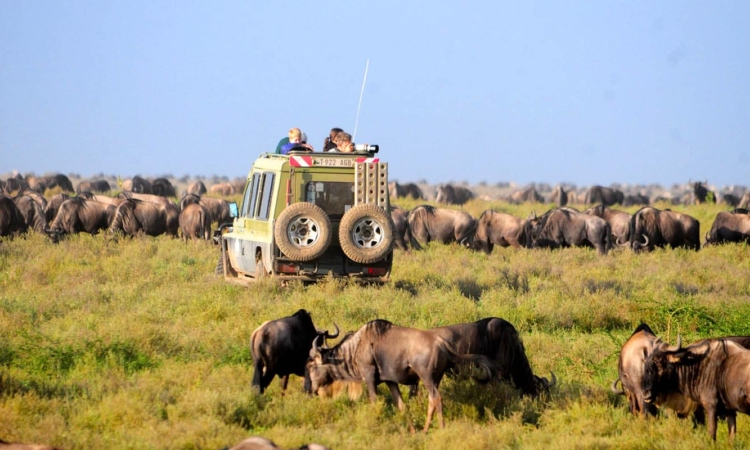
Hire a tour guide: You can either hire services of a tour company or a local guide. Having one enables you to get the best experience because their job is to make sure that you have the best safari experience. Tour guides are knowledgeable and offer advice and accompany you when visiting the great wildebeest migration.
Select appropriate accommodation: Where you rest after a long day in the wild should be an important aspect, so choose the lodges that fit with in your budget but also offers comfort and safety, since most of them will be close to the park. The lodge should be safe too and able to protect you from any wild attacks especially during the night.
Pack all the necessary and essential equipment: Right from personal items like clothing to other equipment like cameras. Before setting off for the safari, ensure that you have carried whatever you might need, especially food and water to keep you energetic because it is a tiresome activity and you’ll be gone for hours. Other personal items are sunscreen, insect repellants, hats, sun glasses, light clothing perfect for an African Safari.
Interesting Facts about the Wildebeest Migration Safaris in Tanzania.
- The great migration consists of not only wildebeests but also other animals like Zebras, antelopes,
- Thompson gazelles, Impalas, elands and other predators that tag along.
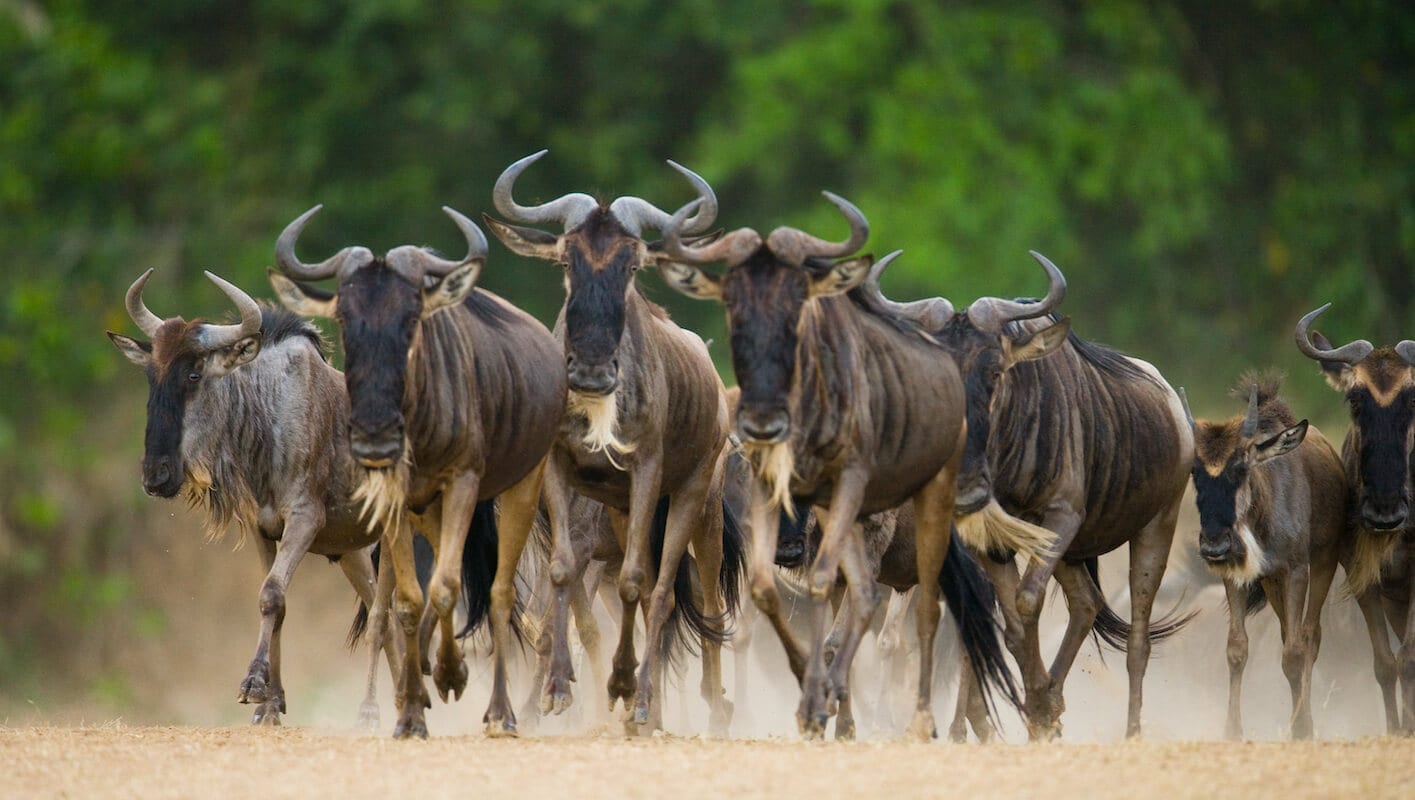
- Total population of animals that take part in the migration amounts to over 2 million wild animals; of these 1.5 million are wildebeests, 350,000 antelope species and 200,000 zebras. Making it the largest movement of animals on earth hence being termed as the Great Wildebeest Migration.
- Animals themselves also can’t know when they will be moving next, so it all depends on climate and growth of grass.
- The migration is not led by a specific leader like an army having a commander, these animals have no particular leader guiding them. They instead move in small herds that trek along the same route.
- Wildebeests largely depend on Zebras; this is because they are picky with the kind of grass they feed on, they feed on grass shoots and therefore they have to wait for the Zebras to eat the tall grass and they later come in and eat the grass shoots.
- The hardest part of the migration is crossing rivers like Grumeti and Mara. This is due to the crocodiles found in them and also the rushing waters that sweep away some animals. About 200,000 lives are lost during the migration at the sections where they have to cross the rivers.
Best time to go for Wildebeest Migration Safaris in Tanzania.
The Best time to visit Tanzania in order to witness the great migration is during first months of the migration where animals gather in the Ndutu area for the calving season. During this period, young ones are born and this area is targeted by lots of predators. This period usually happens in the months of December to May. The month of July is another preferred time during which the herds move towards central Serengeti in the northern direction and make their first barrier of crossing the Grumeti River. And you can also see the animals in northern Serengeti area during their return journey between October and November.
Therefore, the part of the migration you would like to witness determines the best time go for the wildebeest migration safari, however when visiting Tanzania make sure the animals are still in Tanzania and haven’t crossed over to Kenya.
Month by Month Breakdown of the Great Migration (The Migration Route)
December to April: This is the calving period of the migration. The animals have now settled in the Serengeti plains in Ndutu area close to Ngorongoro Conservation Area. The rains occur for a long period which makes them stay here longer. This area also becomes lush during that period but once the rains stop in April or early May, the wildebeests move in search for greener grass and water.
May to July: During this period, the wildebeests are in preparation for their 800km long journey. The animals march in small herds towards the western corridor – 40 km away and that is where they meet the first barrier, Grumeti River. Due to the fear of crossing, the herds first camp on the southern banks of the river before eventually crossing.
August to September: After crossing Grumeti River, the herds move towards their next obstacle which is Mara river between July and August. Once the animals cross the Mara, they are into Kenya and therefore it is not a good idea to visit Tanzania during this period.
October to November: The Mara river is crossed twice, the second time happens when the herds are returning to Serengeti region, they move in the southern direction by crossing the Mara river and go into the Lobo area and northern plains.
This area is less crowded, perfect for those who would like to witness the migration privately. The wildebeests then head over to Ndutu area in late November from which the great migration cycle starts again.