Kenya Migration Safaris: Kenya is a country in East Africa with its capital Nairobi. It has a population of approximately 47.6 million people and offers her visitors with one of the finest landscapes and unique wildlife species. Kenya is very well known for diverse wildlife hosting over 25 national parks, but most famously Masai Mara, Amboseli, Tsavo, Hell’s gate, Meru, Lake Nakuru, Samburu national park among others.
Kenya as well has got attractive and stunning savannah, riverine forests and eye catching landscape. Being home to the big five mammals – lion, elephant, leopards, rhinos and buffalo makes it interesting for one to visit Kenya at least once in their life time.
BEST NATIONAL PARKS IN KENYA.
Masai Mara National Reserve
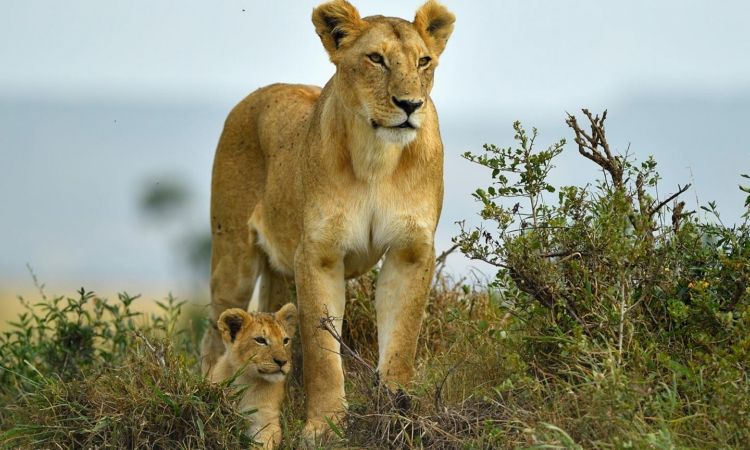
Located approximately 275km from Nairobi, Masai Mara national reserve is one of the greatest reserves in Africa located in south west of Kenya. The park is home to approximately 95 animals and 570 bird species giving a traveler a spectacular view of vast wildlife.
One can visit this stunning reserve between July and October where they will get chance to experience and see the great wildebeest migration.
Amboseli National Park
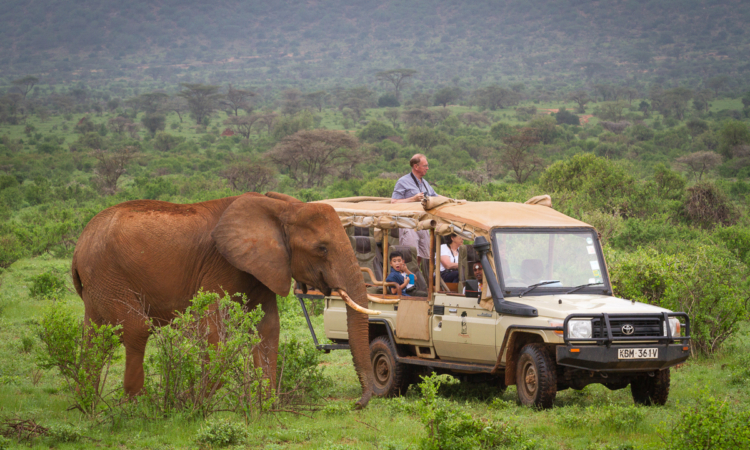
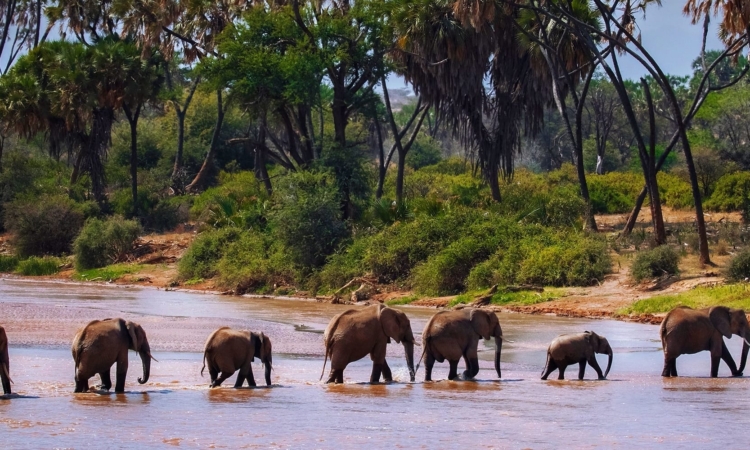
Situated on the piedmonts of Kilimanjaro mountain, one sight into the park leads you to see huge and elegant elephants as well as the eye catching views which can be captured in the dusk and dawn. One can visit the park between July and September as they enjoy hiking on the Kilimanjaro mountain not forgetting to meet the Masai tribe.
Tsavo National Park
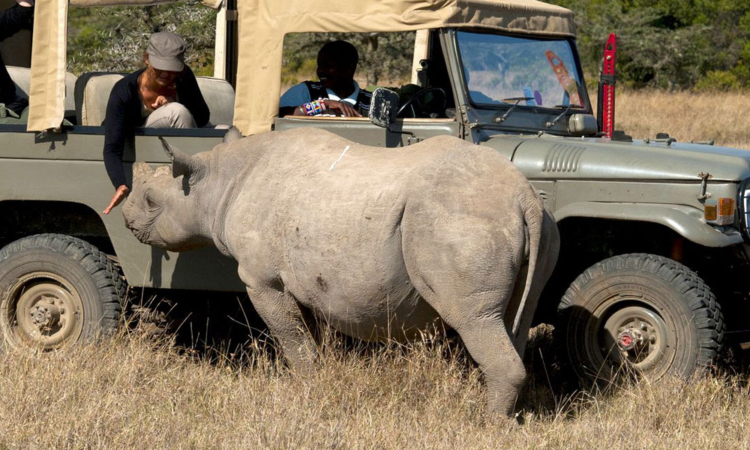
Standing in total wilderness is Tsavo national park, one of the oldest and largest parks in southeastern Kenya with vast landscapes, plateaus and grasslands. This big conservation area is dived into Tsavo east and the Tsavo west national parks. A safari to Tsavo is perfect between June and October where visitors will get to experience Ngulia Rhino sanctuary, Mzima springs and Lake Jipia.
Lake Nakuru National Park
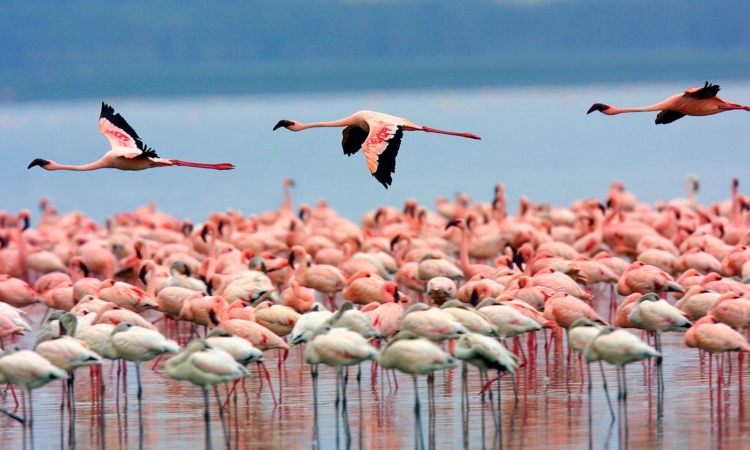
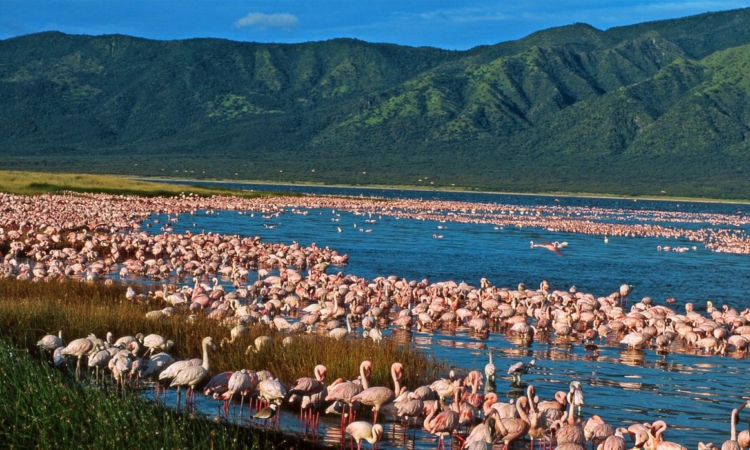
Are you a bird lover? Lake Nakuru national park gives you a break from the common views of the wild by introducing you to the spectacular bird species from a close distance.
Birdwatchers can visit from June to March to enjoy watching the flamingos on Lake Nakuru and experience other wildlife safaris.
Hell’s Gate National Park
This uncommon name of the park is picked from the natural activities that happen here. The park is one of the most beautiful regions that Kenya has to display to a traveler. June and March is the best time to experience the nature trails, hot springs and wildlife viewing in Hell’s Gate National Park.
Samburu National Reserve
The Samburu tribe that settled in this particular part of Kenya since time immemorial later gave birth to the name of this national park. The fact that it is open, Samburu inhabits uncommon species of birds and animals like the long necked gerenuk and the Oryx Beisa. Between December and march is when one can visit to get chance to experience wildlife safari, bird watching, as well as the Samburu cultural tours.
Shimba Hills National Reserve
This stunning reserve is located near Mombasa and it is rich in green vegetation and forested landscapes hosting a large number of elephants in the country. Get to experience night game drives, cheetah sightings and memorable shopping.
THE FAMOUS WILDEBEEST MIGRATION IN KENYA
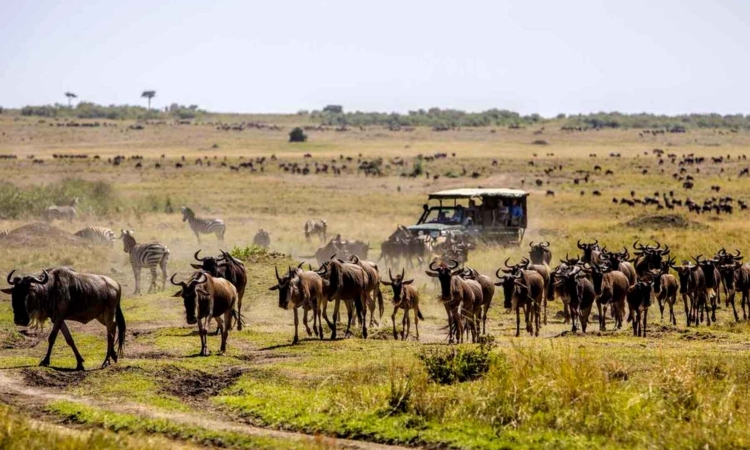
The great wildebeest migration is one of the seven wonders of the world and an extraordinary spectacle in the world. This migration refers to the movement of millions and thousands of animals across Serengeti – Masai Mara eco system. The continuous movement of columns of wildebeests follow an age old route in search of fresh pasture and water. They continue to move through Serengeti in a clockwise direction to Masai Mara in Kenya.
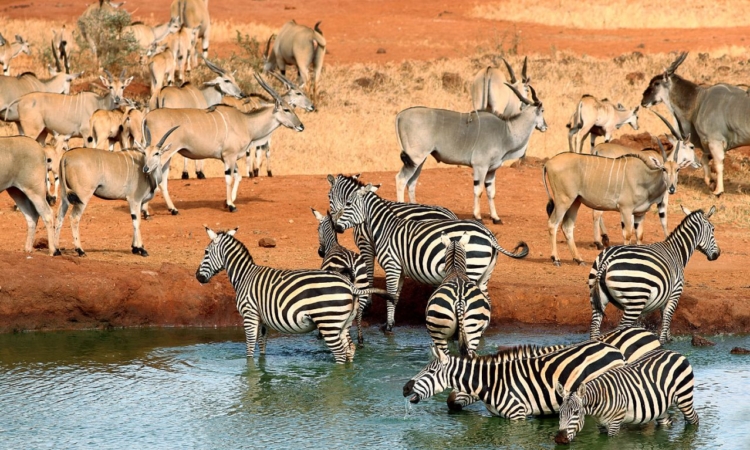
Every year, approximately 2 million animals move in a clockwise direction across the eco systems of Serengeti national game park in Tanzania and the Masai Mara national reserve in Kenya. The wildebeest migration also includes vast herds of zebras, gazelles and other animals that move across Kenya and Tanzania.
WHEN DOES THE MIGRATION HAPPEN?
January and February: this time of the year is when wildebeests gather by the flocks in south of Serengeti where they give birth to their calves. This season is usually known as the “calving season”.
March: This month is known as the hunting session since the congregation of animals is targeted by lions, leopards and cheetahs plus other predators.
April and May: This period is when the Serengeti pasture dries up and the migration starts to move towards the Grumeti river.
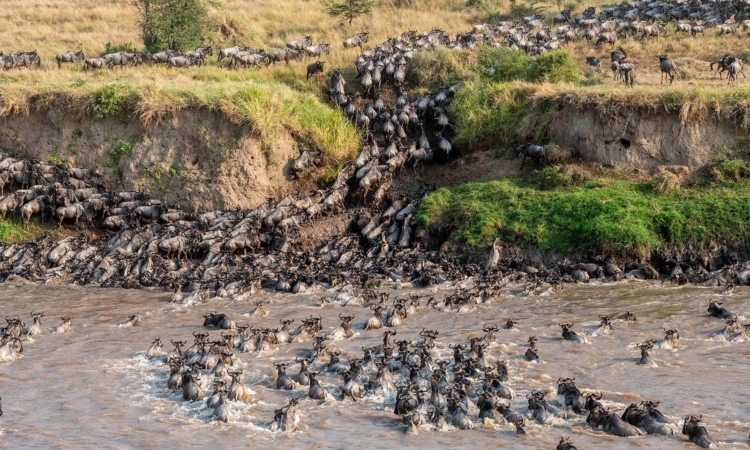
June and July: Following their movement to Grumeti river, the migration is faced with some challenges while crossing towards the Masai Mara. This makes it the most exciting time of the year for one to see the wildebeest migration.
August and September: Here, the herds have crossed Grumeti river and are enroute to Masai Mara giving it best views for one to watch.
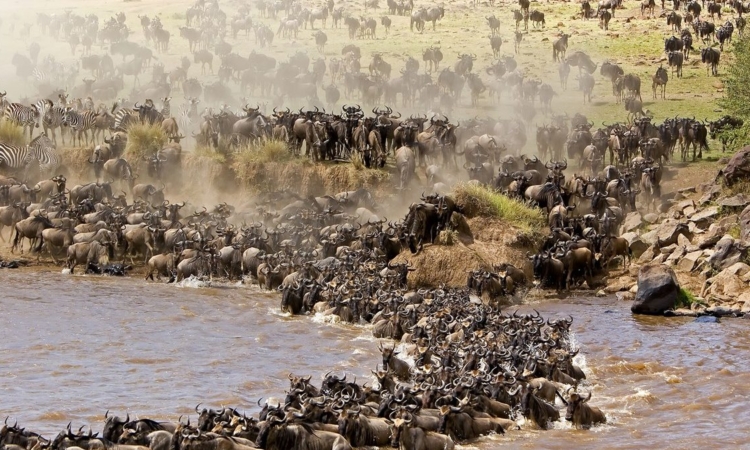
October: this is the time when herds cross the Masai river into the grasslands where they graze and continue to move towards Serengeti national park in the north looking for fresh grass.
November and December: during this period, the migration decides to remain in the central Serengeti till they go back to the southern part of Serengeti for calving.
INTERESTING FACTS ABOUT KENYA WILDEBEEST MIGRATION.
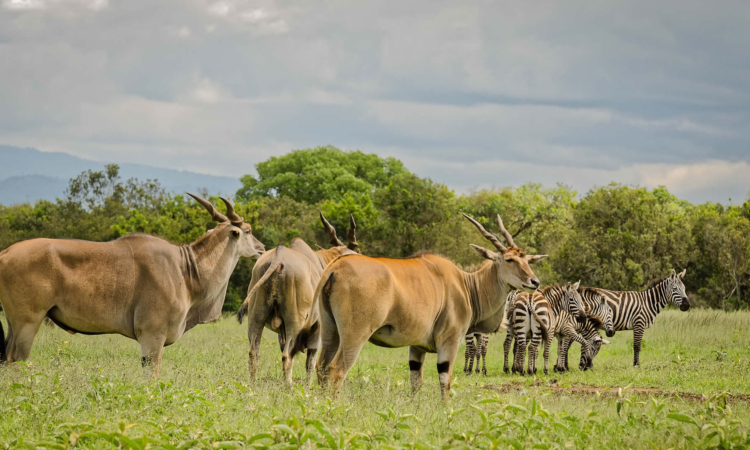
This being one of the breathtaking experiences in the world that involves the largest and concentrated movement of wildlife travelling approximately 800Km on an annual journey should be on everyone’s bucket list. Here, one is able to view hundreds and thousands of zebras, grant’s gazelles, elands, impalas as they join 1.5 million wildebeests in the mighty movement. This migration gives one of the most exciting experiences especially during the birthing season and the prominent crossing of Grumeti river that involves hyenas, lions, leopards and other predators till the migration crosses the Masai river infested with crocodiles till they reach Masai Mara reserve in Kenya.
This is a once in a lifetime experience that one gets to enjoy because it doesn’t happen every day. Visitors get the opportunity to witness a survival struggle for life especially on the part where the wildebeests are crossing the iconic rivers – Mara and Grumeti.
The fact that the migration takes place in one of the most scenic and stunning national parks of Tanzania and Kenya, it enriches travelers with the best photographic opportunities. Travelers are rewarded with a chance beyond the wildebeest migration.
Did you know that the migration happens and can be seen only in East Africa?

WHY THE MIGRATION HAPPENS?
The cyclical migration between Serengeti in Tanzania and Masai Mara in Kenya, following the rainy season in Serengeti and dry season in Kenya. The journey is full of uncertainties following various attacks by unsuspecting predators at every angle, especially crocodiles and the hungry and furious lions.
Wildebeests follow availability of pasture and the rains. During January and March season, the migration moves southeast of Serengeti where they start to birth. As the rains decrease, the herds start to move from Serengeti between April and make their way Northwards to the grasslands of Masai Mara in Kenya.
The panic sometimes also causes clashes and deaths. But when they have crossed the river, Masai Mara in Kenya becomes their new habitat until December when the rains come again in Serengeti and the migration cycle commences again.
BEST TIME TO GO FOR KENYA WILDEBEEST MIGRATION.
The best time for one to go and watch this rewarding experience in Kenya that involves survival for the fittest given the hungry crocodiles in the waters plus furious lions ready to catch anything, is from July and November since the wildebeest migration moves to Masai Mara crossing the iconic river in staggering numbers.
And if one is in Serengeti National Park, the best time to watch the wildebeest migration is from July to September as this is the time when crocodiles are waiting on to snatch any attempt that comes their way.
OTHER SAFARI ACTIVITIES IN KENYA APART FROM THE WILDEBEEST MIGRATION?
Hot Air Balloon Safaris
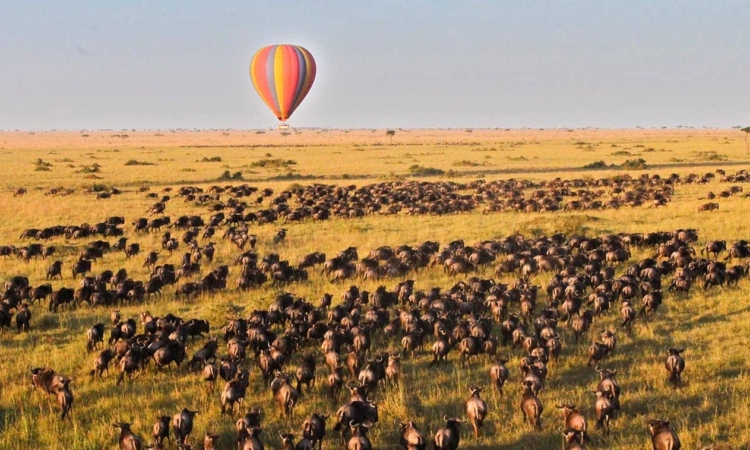
The ultimate hot air balloon safari experience allows one to fly up in the skies above Masai Mara.Amidst a backdrop of elegant sunrises, these hot air balloon tours will give you an exceptional vantage point to admire abundant wildlife just below. There is nothing elegant like it, the views are exceptional and memorable.
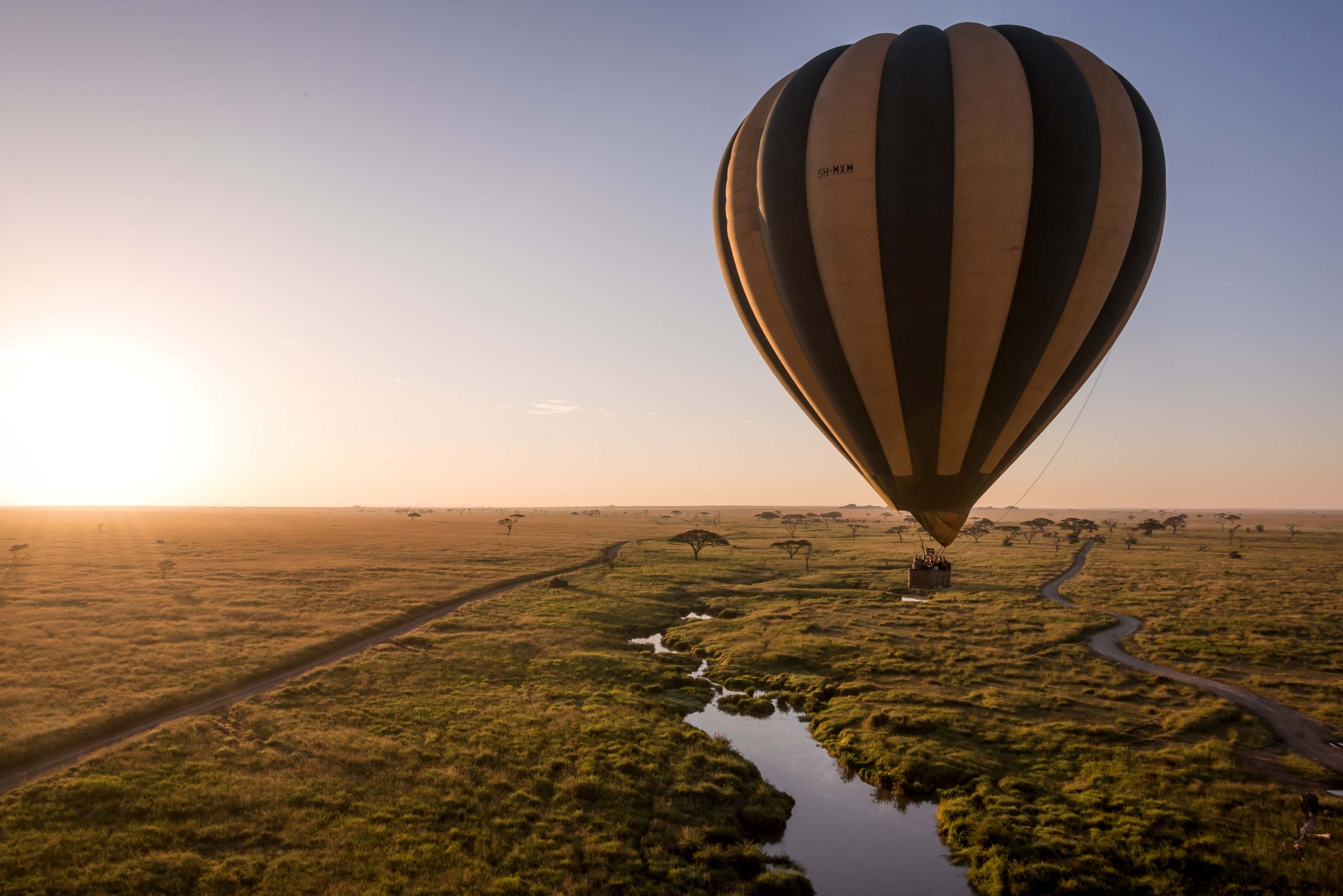
The joy of rising at dawn during your stay is not always pleasant but the benefits of focusing on high-flying adventure greatly surpasses the trouble of waking up very early.
Visits made between July and October will give you a chance to see the Great Wildebeest Migration as you are flying above the Masai plains. There is nothing you can compare to the stunning migration of wildebeests, zebras and the gazelles. Grasp an enormity of what is taking place as you are flying above these herds. Other stunning things to see besides is to watch fierce predators like lions and the crocodiles hunting their prey and spotting leopards perched high in the trees.
The pilot will make sure to fly lower at times to allow you take best possible pictures and videos. If one is coming for the Masai Mara great wildebeest migration, we strongly recommend that the hot air balloon adventure should be on their to-do list. Don’t forget to carry some warm clothes plus a big bag where you will carry the camera, binocular and other individual items.
Day and Night Game Drives
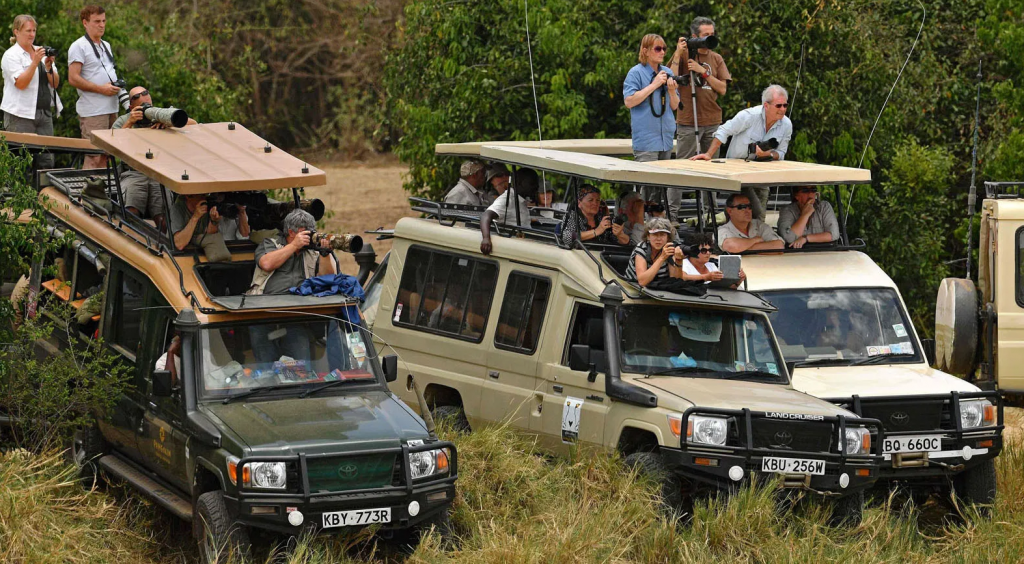
Visitors in Kenya are free to enjoy morning and afternoon game drives within various protected areas. Night game drives are highly recommended since one is able to see nocturnal species and big cats on a hunt. Game drives are the best activities that can be done in the wilderness; it is extraordinary both during day and night. One chooses when to do their specific game drives but they are always thrilling experiences.
Enjoy a worthwhile experience as you go for a full day game viewing tour encountering different wildlife species. You will have to carry some lunch since the day game drives always take long.
Always leave your ears open as this makes you not to miss a chance to listen to numerous calls and roars of lions and hyenas. And for bird lovers, you will be able to spot different species like the African owl. Night jars, among others making it more thrilling. Leopards can be easily spotted at night while hunting. The nocturnal animal species such as bush babies, cape hares among others are a must see.
The night game drive in Masai Mara starts at 7:00pm and takes only two hours.
Going out on a night game drive is the best way one is able to spot abundant nocturnal life and enjoy African wilderness under the shinning stars.
Nature Walks
Beauty in the wild can be better experience by undertaking nature walks in Kenya, with lots of destinations to explore. You can as well get to see wildebeest migration within the Masai Mara or watch predators stalk unsuspecting prey.
Hell’s gate national park is one of the national parks that is famous for nature walks, rock climbing and biking experiences. There is a geothermal activity inside this as well as an exceptional view of the great East African Rift Valley.
Nairobi Arboretum is also a great spot where nature walks can be done all year. Established way back in 1970, this site is just opposite the state house spanning for about 30 hectares. This place will give you a chance to spot different tree species of about 350 types of both exotic and indigenous.
The Chuyu hills also provide visitors with one of the most remarkable nature walk adventures in Kenya. These remarkable hills are located between Tsavo west national park and Amboseli national park.
Beach Safaris
Mombasa is a famous destination for beach safaris in Kenya. Beach holidays are a leisurely way of exploring Kenya and enjoying your time of stay. A long strand hugging a peaceful sea is the Diani paradise, a beach that will give you thrilling moments. The beautiful setting gives visitors a sight of greenery, palm trees and camels surrounding by. It is approximately 30 km south of Mombasa.
The clear and shallow waters having distinguished reefs will invite you to discover and play in the Indian ocean. There is no better feeling to a thrilling and stunning beach safari than relaxing on one of the Indian ocean beach resorts.
Mount. Kenya Hiking Safaris
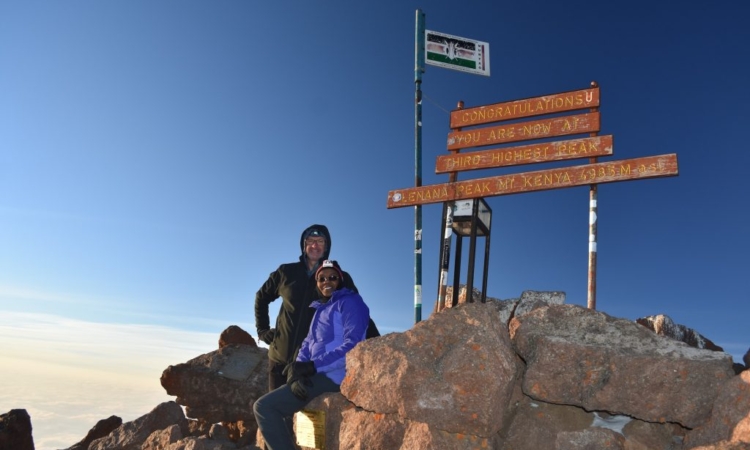
Mount. Kenya is the second highest mountain in Africa providing breath-taking hikes suitable for adventures. This is one of the most tremendous, challenging and enjoyable journeys that takes you to mount Kenya’s highest peak point Lenana at 4985 metres. There is a beautiful view of the volcanic mass and two main peaks of Batian and Nelion not forgetting the sprawling flora and fauna and the rock hyrax.
There are two trekking routes on the western side of Mount. Kenya known as the Naro-Moru and Sirimon. Trekking is more fun when done in an ascending and descending route to give some of the variety. One can choose to camp or stay in the huts.
The mountain guides will provide the needed equipment to use during the hiking adventure. Choosing the right path to take is essential while preparing to hike because different peaks provide different options suitable for the fit trekkers.
Masai Cultural Safaris
A Kenya safari allows for a traditional visit to the Masai village or a chance to get along with the amazing people and take part in some of their activities. This is a unique safari experience that ushers you to village elders, famous traditional warriors, and amazing Masai women. These people will teach you how to throw spears, make remedies from the local plants and help create beaded jewellery plus sharing their stories. The Masai cultural experiences make you connects with nature because it makes you open your heart to a new world of experience.
Visitors who get a chance to interact with elders are able to extend their knowledge about the traditional ways of these people.