Kenya Tanzania Migration Safaris
Kenya Tanzania Migration Safaris: Going on an African Safari is always a decision of no regret and such an unforgettable experience. It’s all awesome and positive spending some time in nature. The African conducive atmosphere, unmatched scenery and the magnificent vast wildlife.
Travelers interested in exploring the great wildlife migration then this is the right place – two countries of Kenya and Tanzania where travelers get to admire the best of great wildebeest migration experience. Both countries are top notch safari destinations not only in African but worldwide.
Kenya alone has advanced tourism infrastructure, cheaper Safaris, and quick access to game parks and reserves while Tanzani1a is an overall safe country to visit, with more wildlife and improved infrastructure but most importantly all the two countries are the biggest host of great migration of wildebeests. They also host the big five mammals, birdlife, beaches and well-established and developed accommodation facilities.
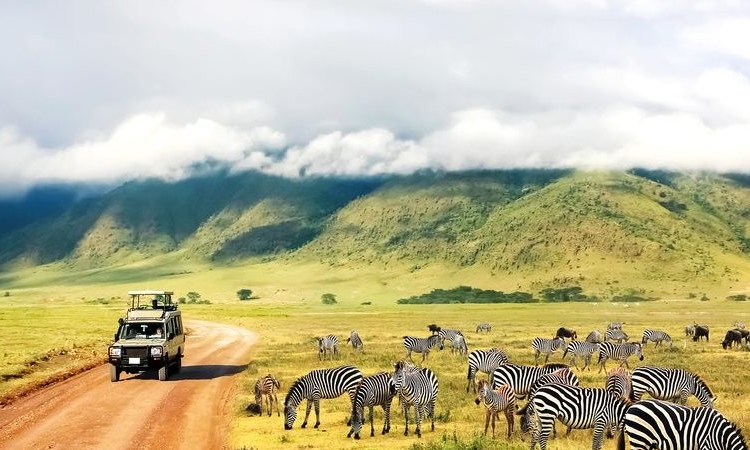
Due to the enormous size of Serengeti national Park in Northern Tanzania, safari activities and attractions are quiet huge on the list but Kenya favors those travelers out of time and on tight budget who get to visit nearby destinations like Nairobi national park, Hell’s Gate and Lake Naivasha.
Visitors to Kenya will fly directly into the Jomo Kenyatta International Airport located right in the middle of Nairobi city. Kenya, Nairobi National Park that shelters rhinos, leopards and lions, to Tsavo national park to Lake Nakuru and hot air balloon experience in Masai Mara and Amboseli national Park.
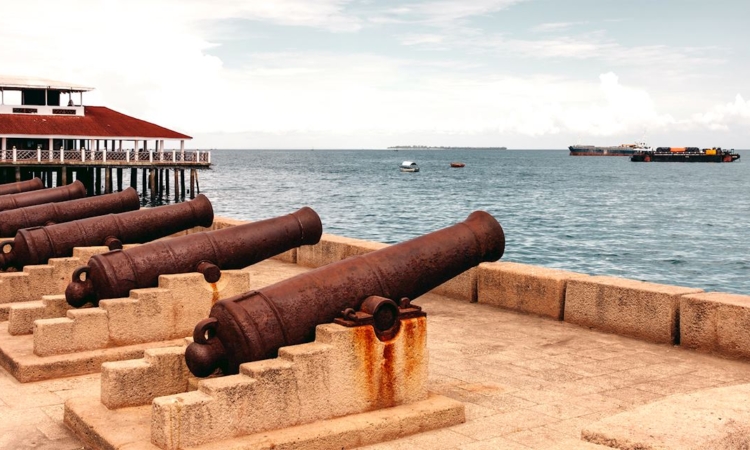
Both countries boast wide array of top notch accommodation facilities from Stone town luxurious hotels in Zanzibar, Tanzania to Five star lodges and high-end safari camps in Kenya.
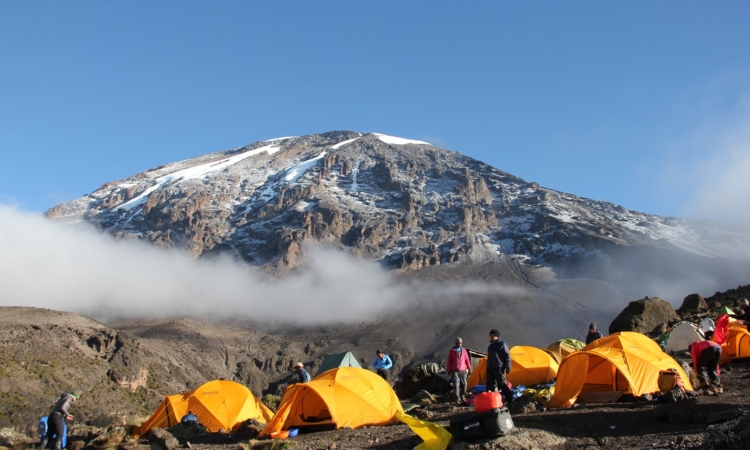
Tanzania also presents unmatched hiking experience at Mountain Kilimanjaro and incredible views of wildlife, bird species in Serengeti national park and tree climbing lions in Lake Manyara national park.
Wildebeest Migration Safaris in Southern Kenya, Northern Tanzania and the best time to sight them.
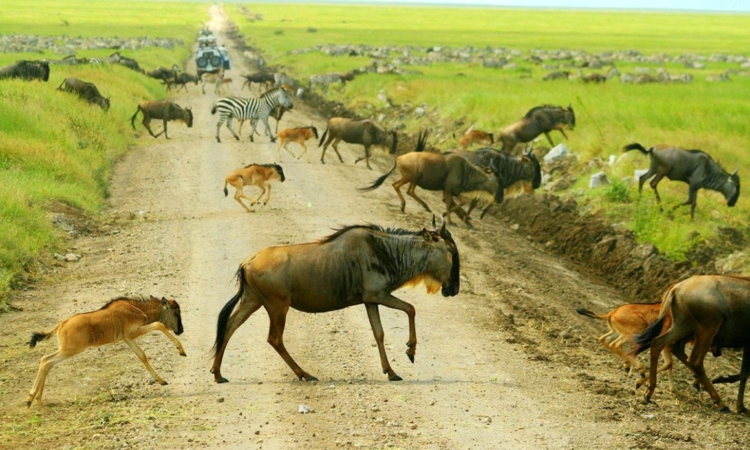
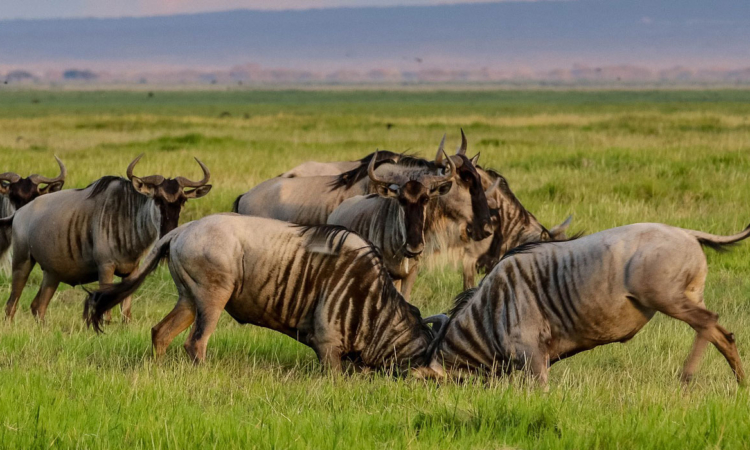
The great wildebeest migration including hundreds of thousands of antelopes, Burchell’s Zebras and other animals moving in millions of numbers is one of the most impressive spectacle a traveler can have while visiting Eastern part of Africa. The wildebeests trek from Northern Tanzania in Serengeti national park to Masai Mara in Kenya in search of water and fresh grazing vegetation.
Kenya’s Masai Mara on the northern boundary of Serengeti makes about 3% of the ecosystem while Tanzania’s Serengeti makes about up to 97% and spans up to 5,700 square miles. It’s because of these endless plains of East Africa and favorable ecosystem that sets the world’s greatest wildebeest migration.
Over 2,000,000 wildebeests and 200,000 Zebras and gazelles migrate from the enormous plains of Serengeti national park in Northern part of Tanzania to Kenya’s Masai Mara in a clock wise cycle trekking for as long as 1,800 miles annually.
These predators will also take an advantage of these migrating animals when the mothers move at a faster pace while leaving younger ones behind. The sound of thunders and smell of rain is one of the reasons that boosts the speed of these migrating animals.
Mostly referred to as the annual event however the great migration can still go on throughout the year. Due to the changes in rainfall patterns every year, there are always a number of other events taking place during the migration and these include shifting fortunes of herds, river crossings, calving season and mating rituals.
In a period of two to three weeks, wildebeests tend to give birth to up to about 500,000 calves and this is when they come up altogether and congregate. So from around early December to early March, the herds are always in Serengeti National Park of Tanzania.
Due to volcanic soils, the lush vegetation in Serengeti national park is always rich in calcium, phosphorus and potassium hence attracting wildebeests.
The migrating animals will finally follow west of the Grumeti river by April after the lush vegetation is all vanished and gone in Serengeti.
The herds will continue to move North towards the Maasai Mara after getting through Serengeti’s western corridor from about June to July. Unfortunately, by late June, the Grumeti River starts to dry up and wildebeests and zebras can only drink water from the crocodile infested pools which remains as the only source of drinking water in the area. These herds can take up to three gallons of water per day.
It’s near Kenya’s boarder, northern reaches of Tanzania that some travelers will find the herds. This is during the months of July and August.
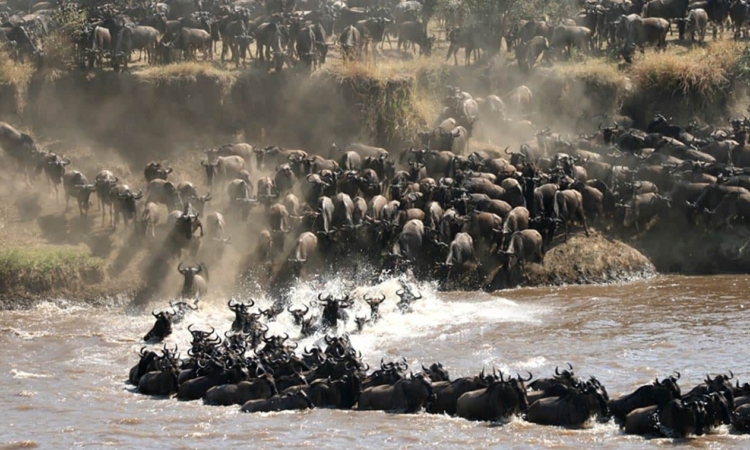
From early August to September, visitors will have great views of the dramatic river crossing of the migration in Masai Mara reserve. Though it requires a little bit of patience, August is the right month for visitors to catch river crossing as large groups of herds arrive in the Masai Mara.
The wildebeest migration consumes approximately 5,000 tons of pasture daily.

Tips for planning Wildebeest Migration Safaris.
Book early; about 6 months before.
It could be a great option if visitors would start their preparations and research in as early as May and December of any given year.
Arrange your migration safari with a professional tour operator.
The professional a visitor is dealing with should first ensure they are reputable from a registered company. The company should also be knowledgeable enough and trustworthy and in fact they should be ready to unveil the company’s certificates and all Government operating licenses.
The tour company should ensure that visitors get all the services and offers they deserve while they are on their safari.
The tour operator should also go ahead to help you out in organizing your safari including accommodation choices, transportation, booking permits and other necessities.
Accommodation – Dine, Sleep and feel the comfort while on great migration safaris.
This is also a major part of the migration safari preparation, because it does matter a lot. During the event’s peak, Serengeti and Masai Mara national reserve receive a lot of visitors hence most camps tend to get fully booked, so the earlier visitors book where to stay the better.
Just a few miles away from the great migration spots in Serengeti national park, are the various safari camps recommended for stay while on migration adventure.
Carefully plan for your time and schedule.
As travelers commence to plan for this adventure. They will have to consider the best time for the great wildebeest migration. The dramatic crossings at Mara and Grumeti Rivers. However, the dates to witness wildebeest migration are not certain. Travelers are therefore advised to plan their safaris accordingly between the end of July and mid-October.
Passionate travelers who are not caught up so much with time. They are advised book at least 14 days safari to Serengeti and Masai Mara in Tanzania and Kenya respectively.
Visitors should consider additional emergencies.
It’s always a great idea for travelers not restrict themselves to just a few activities. But instead be open and welcome all additional activities. Explore more attractions that may be added on their bucket list.
Masai Mara and Serengeti national parks are almost combined. Most visitors will have no choice other than extending their trips for a couple of more days. Just to enjoy vast savannah, wildlife and other fun activities.
Great Wildebeest Migration in Serengeti National Park, Tanzania.
The great wildebeest migration will immediately commence after the calving season in the southern part of Serengeti in Tanzania. Most of the calves are born around the end of February. Approximately one million wildebeests will travel up and around in a circular formation. Or clockwise direction to Masai Mara in Kenya then return once again just towards the end of the year. This is done as they follow seasonal rains, greener pasture and drinking water across the Serengeti plains.
By April and May they will proceed with their migration up to North still seeking fresh waters and greener pastures.
By July and throughout August they are spreading wide and some are heading to Ikorongo. While others to Grumeti Reserve and the rest to the North of Serengeti National Park. Wildebeests will continue to spread out across northern Serengeti. This is where they face the migrating obstacles while crossing Mara River.
Around early November, short rains will commence and by the end of the month towards December. The short grass plains of Serengeti are attracting the migrating herds – wildebeests. A population of zebras are everywhere feeding on the nutritious grasses including. In the North of Ngorongoro conservation area and East of Seronera sector.
The Great Wildebeest Migration in Masai Mara Reserve, Kenya.
In search for greener and lush pastures, water and rains. The herds move in a clockwise formation across the greater Masai Mara-Serengeti ecosystem. The great wildebeest migration commences at the end of March. From August to early November, travelers in such of the wildebeest will have a chance of viewing them in the Masai Mara.
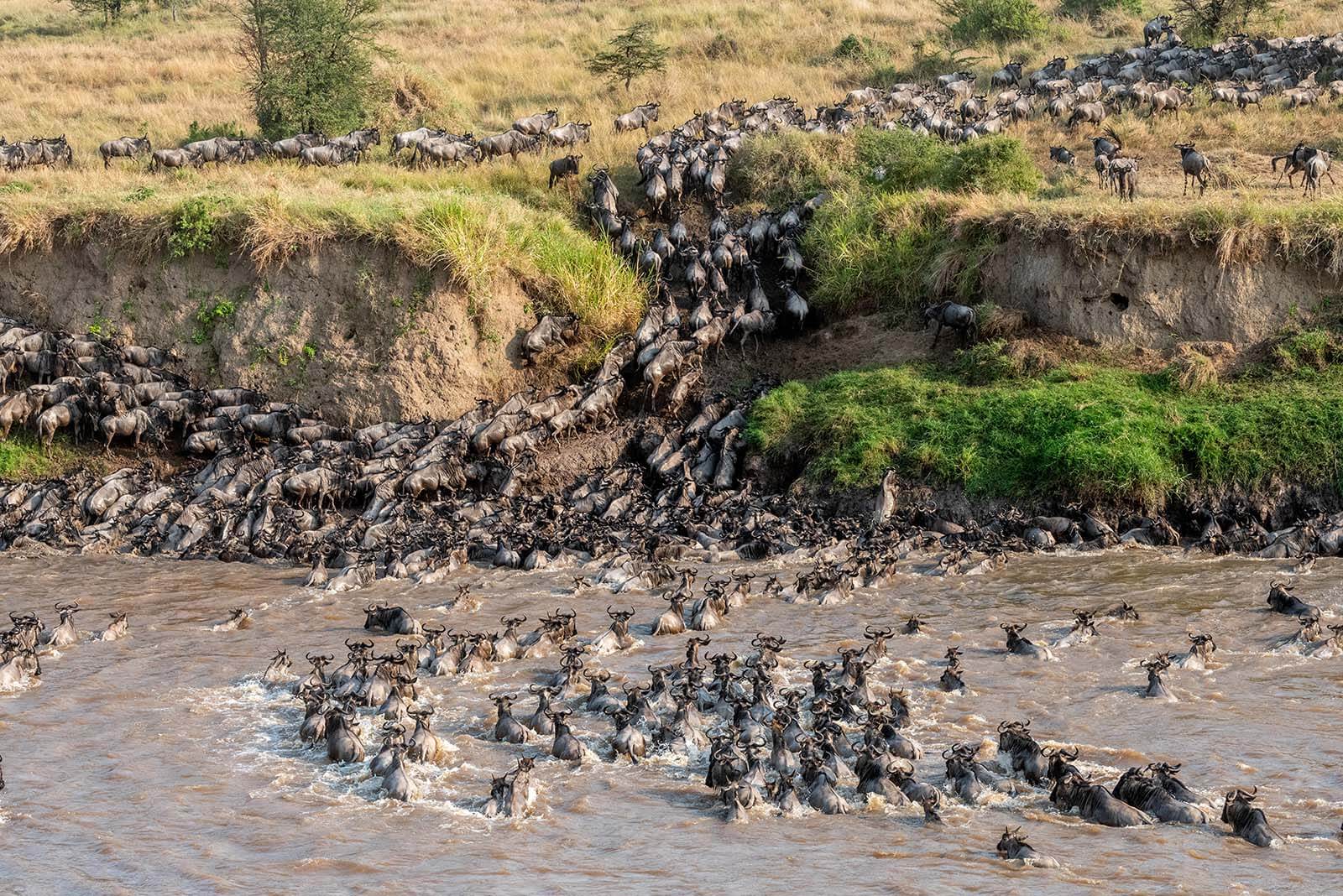
The dramatic river crossings at Mara river are also some of the top attractions. That draw attention of several visitors in Masai Mara and one wouldn’t want to miss this great and long-awaited spectacle. The migrating herds will first gather on the banks of Mara River. Waiting for others to come so they can ruthlessly get through the River and cross to the other side of Masai Mara.
As they’re planning all this and how they can easily cross to the other end of the river. The hungry crocodiles are patiently waiting deep down in the river for their long-awaited feast. It’s always fun, heartwarming and an experience full of anticipations. It’s a must watch for every visitor in this country.
Wildebeests will finally cross the river to the other side something that doesn’t guarantee their survival. A big number of them will survive, however some will be attacked by fierce predators including lions, leopards, hyenas, crocodiles. These predators target those animals that are unable to cross easily through the Mara river. The whole process and hammy crossing of these herds is such an enticing experience. It gives a feeling worthy of more visits.
Interesting facts about the Great Wildebeest Migration.
Even though the migration is sometimes a risky undertaking. It involves passing through dangerous territories and crocodile infested river. The wildebeests still migrate for long distances through Tanzania’s Serengeti and Kenya’s Masai Mara. Following seasonal rains, lush vegetation and water.
Great migration includes over 1 million animals plus about 300,000 zebras migrating annually in enormous groups. This migration is the biggest mammal migration in the world. A normal wildebeest can grow up to 2.4 meters and 8 feet in length and weighing approximately 270 – 600 pounds.
It’s how these interesting wildebeests travel in a circular formation that attracts attention of most travelers. The great migration is also recognized as one of the 7 wonders of the world.
Another interesting fact is that without zebras, the wildebeests wouldn’t be able to survive. There’s a scientific connection that exits between zebras and the wildebeests. Zebras simply act as grass cutting machines and even assist the growth of grass. Making it easier for wildebeests to feed.
When it comes to grass consumption, zebras are not as picky as the wildebeest. The latter simply prefer grazing on shorter grass unlike Zebras who are heavy grazers.
Mara River homes some of the biggest Nile crocodiles in Africa. One expects them to feed on a regular basis which is not the case with these Nile crocodiles. These crocodiles are always patient enough to wait for wildebeest migration to enjoy a one great meal in a year. It’s a famous River crossing recognized worldwide and travelers are always capturing footages and documentaries that actually go viral.
Majority of the herds are always in Northern part of Serengeti National Park. The migration is in Tanzania for earliest months of the year. It’s about July throughout October that the migrating herds move to Masai Mara in Kenya.