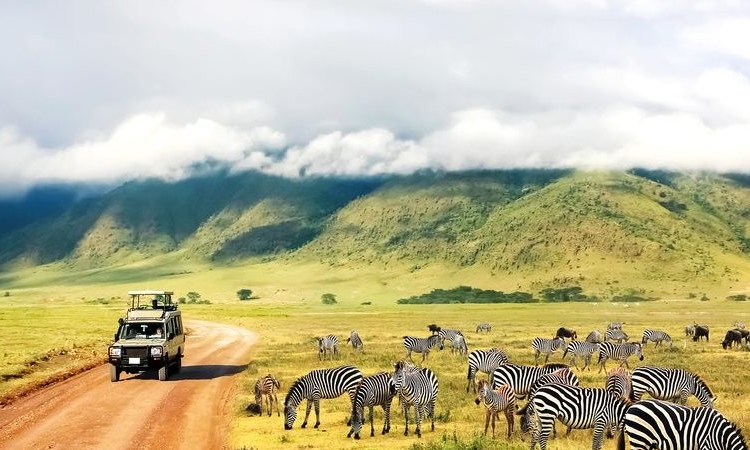
ZEBRAS IN MASAI MARA – There are three species of zebras recorded that is plain zebra also known as Buchell’s zebra, mountain zebra and Grevy’s zebra inhabiting the Savanah grasslands, scrublands, mountain and woodlands of East and South Africa.
They belong to kingdom animalia, mammalian class and equi family. According to IUCN the plain zebra is nearly threatened. The name zebra was derived from a Portuguese word ezebro.
Zebra stripes and stripe sizes are unique to each individual, zebras are grazers with dentition adapted to grazing. Males have very sharp spade canines which can be used for fighting and to defend themselves.
Although zebras have eyes far up they use to scan around the plains for predators and movable ears that help to detect sound, They are hunted by lions, cheetahs, African wild dogs and hyenas.
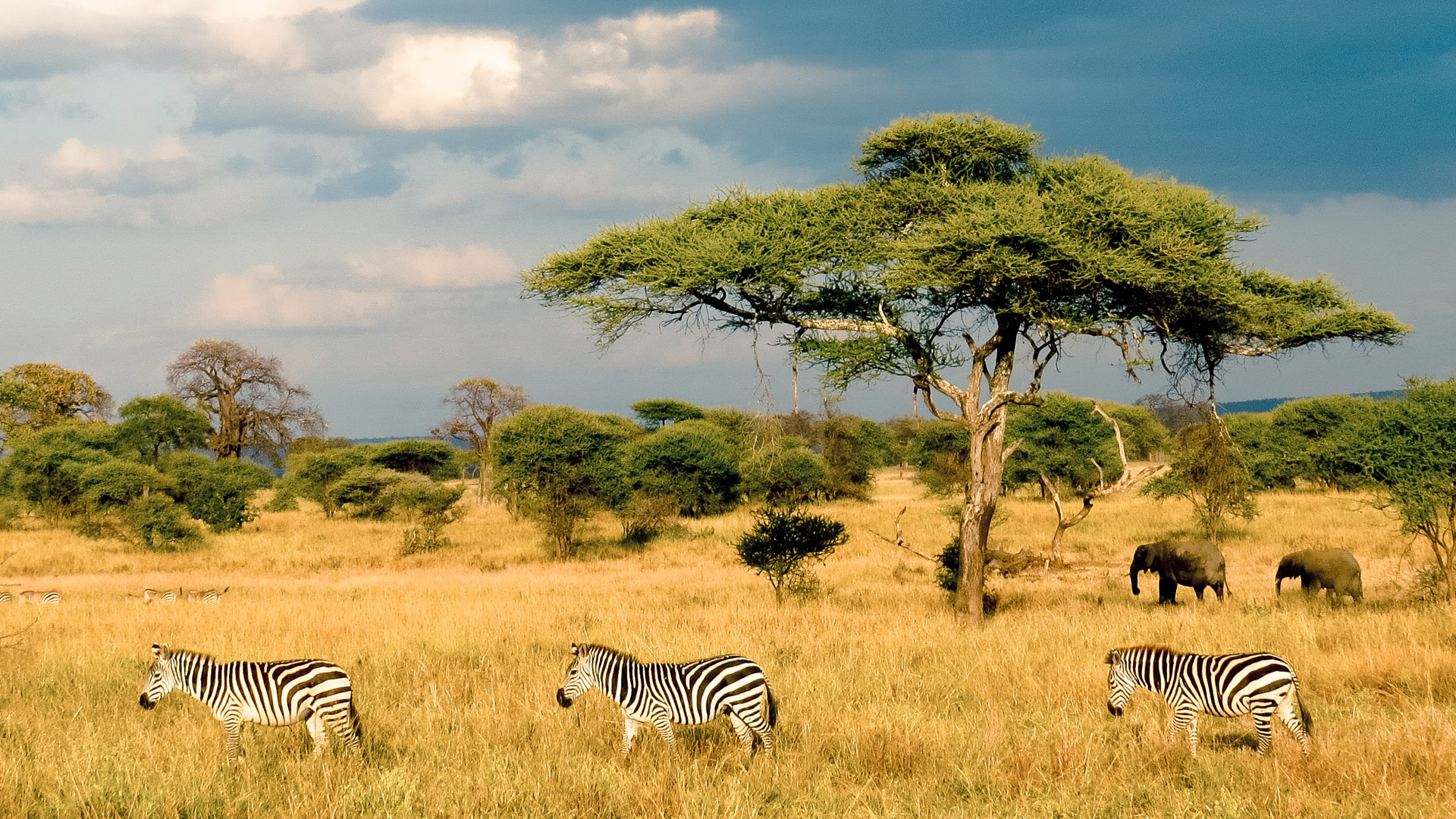
Zebras in Masai mara
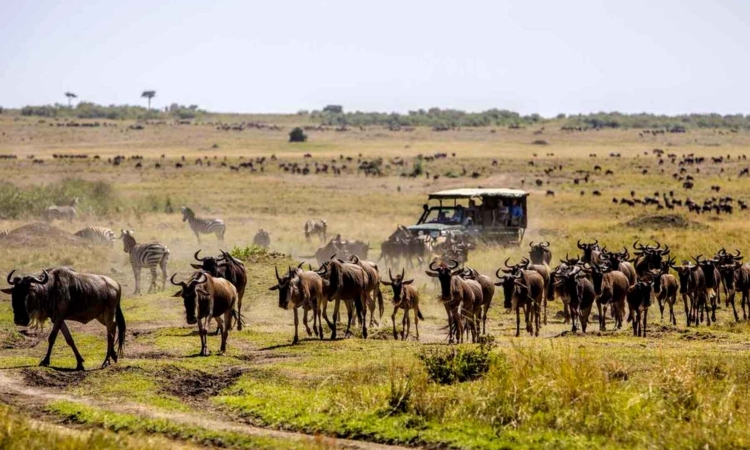
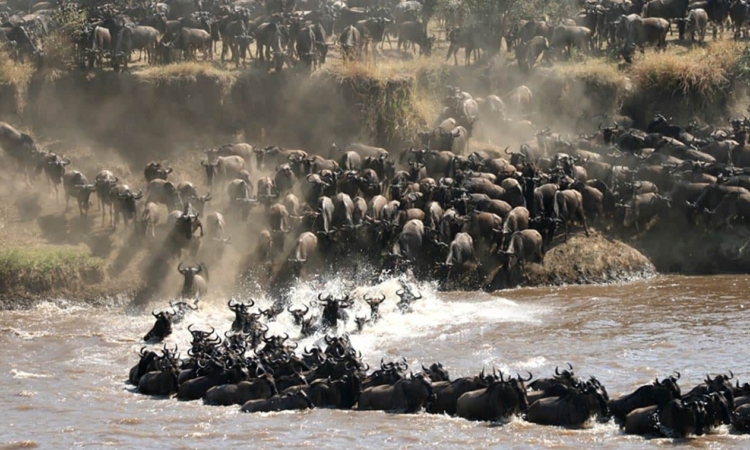
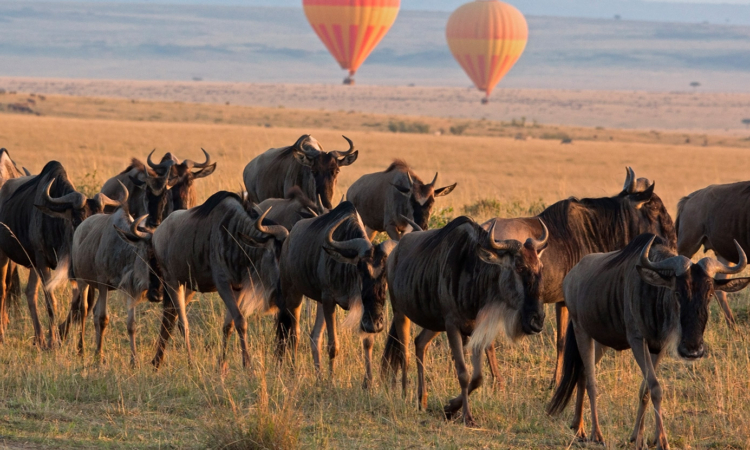
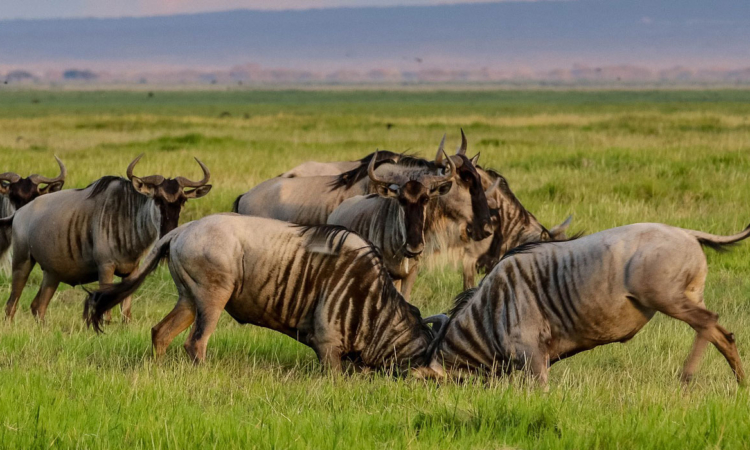
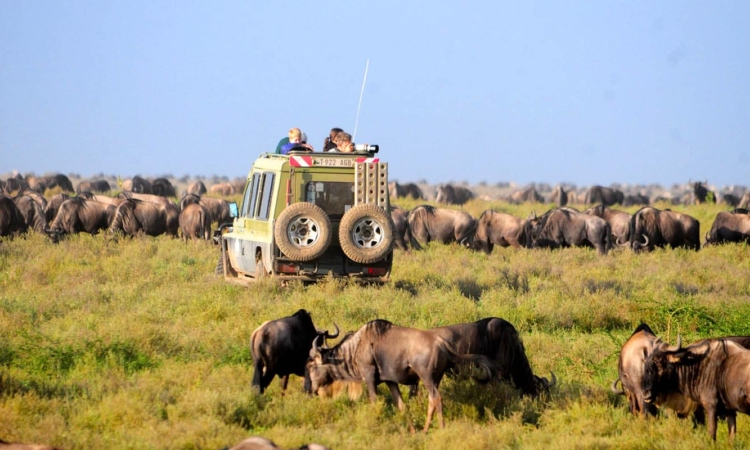
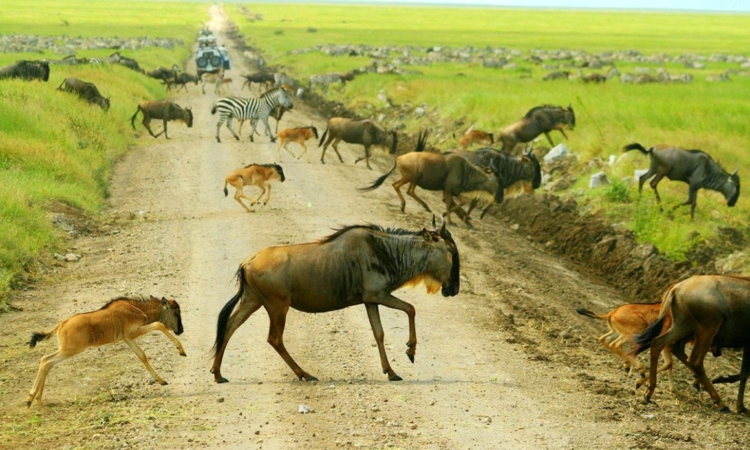
The Masai Mara plains host plain zebras also known as Buchell’s zebra that usually join the great wildebeests migration. Zebras are among some of the beautiful animals on earth. Zebras in Masai Mara can be seen along side the migration herds because they eat different parts of the same grass.
Plain zebras have bigger stripes compared to other species of zebras, they are also bigger than the mountain zebras and yet smaller than Grevy’s zebras.
In 2019, a rare zebra was spotted in Masai mara a rare polka dotted zebra depicting albinism. The genetically mutated zebra was given a name by the guide who spotted it and called it Tira. The young zebras are usually born with brownish and white stripes that darken with age unlike the case with Tira.
The zebras in Masai Mara live in harems consisting of an adult me or stalion, foals and several adult females. The females in a harem only mate with the male in the group.
The main predators for zebras in the Masai Mara are lions, cheetahs, crocodiles during the river crossings, spotted hyenas and African wild dogs. Though scientists have discovered that the stripes allow the animals to blend with the environment to confuse predators.
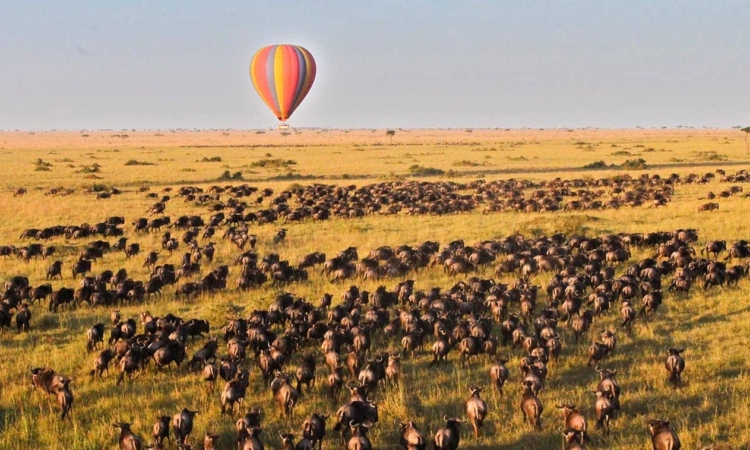
There are over 200,000 thousand zebras that participate in the great wildebeests migration and 2000 residential zebras in the national reserve. Tourists visiting the Masai Mara have higher chances of spotting zebras while on safari.
Zebras are able to remember previous migration routes where the grass was best and close to water sources. In Masai mara their diet mainly consists of grass and sometimes consume sedges, fruits, buds, barks, roots and leaves.