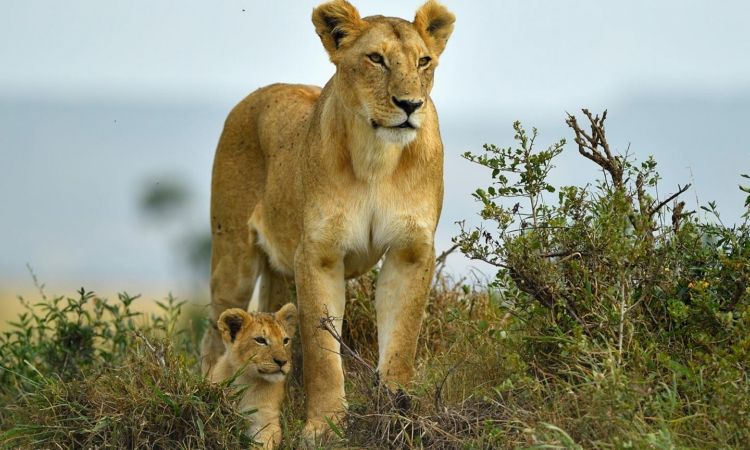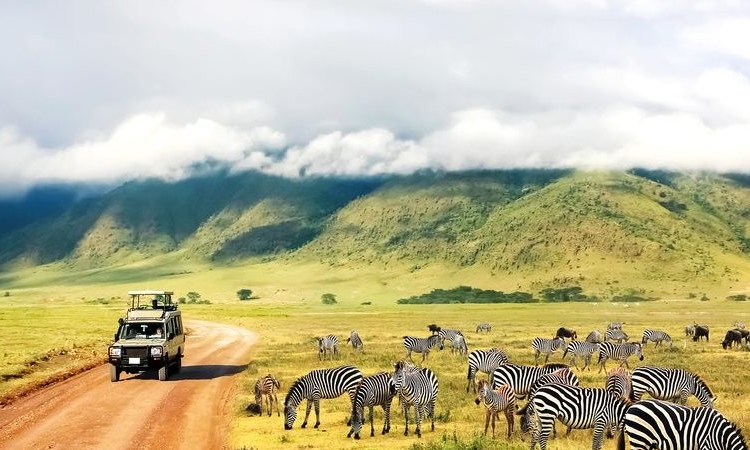
Serengeti national park covers an area of 14,763 kilometres squared hosting numerous wildlife and several species of birds recorded. Serengeti national park has high concentration of mammals and its home to 1000 leopards, nearly 9000 spotted hyenas, 3000 lions, other 70 species of mammals and over 500 species of birds recorded making it one of the top safari destinations in Africa.
The park is adjacent to Masai Mara game reserve in Kenya and adjacent to the Ngorongoro conservation area renown for one of the world’s top natural wonders.
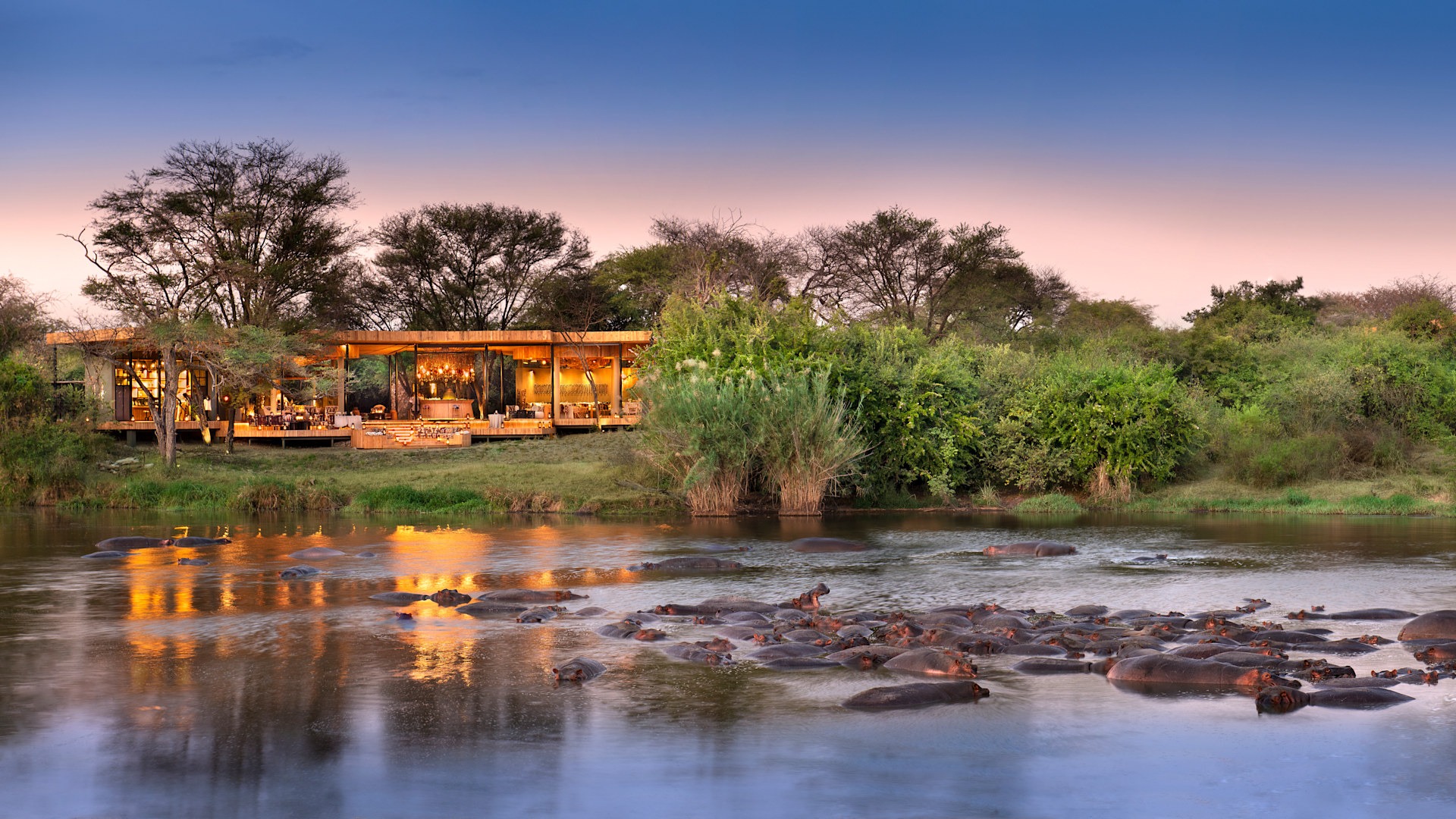
Grumeti sector of Serengeti
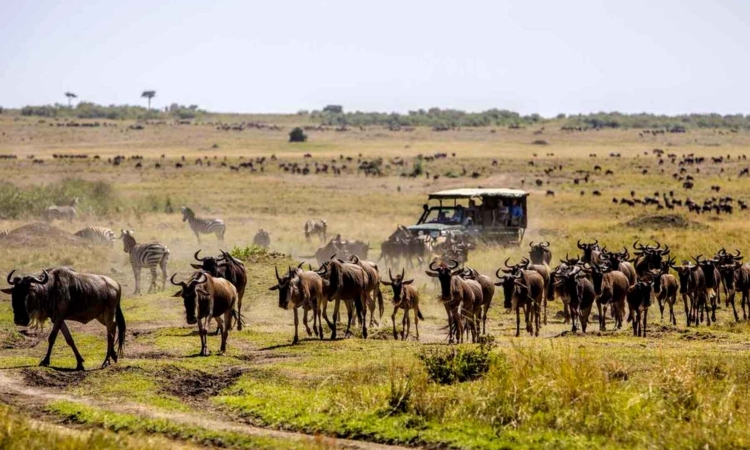
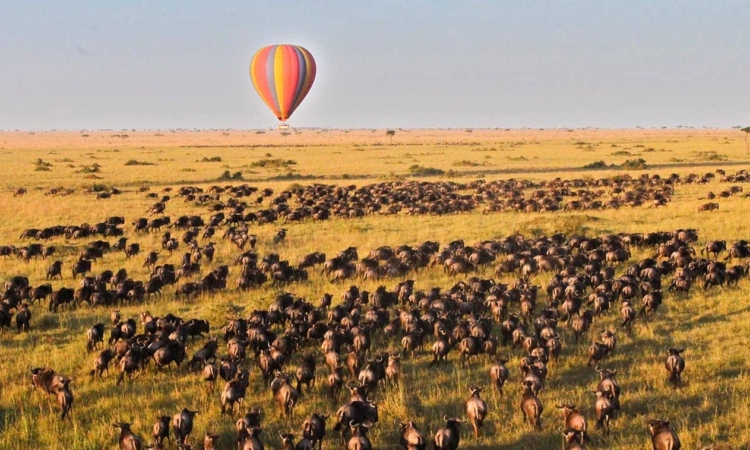
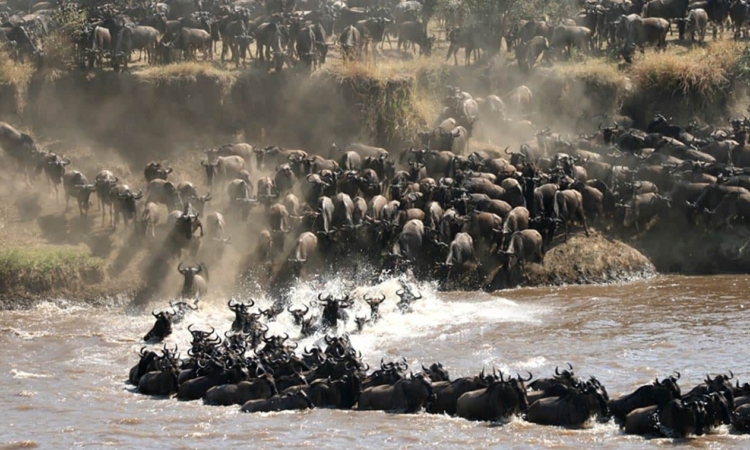
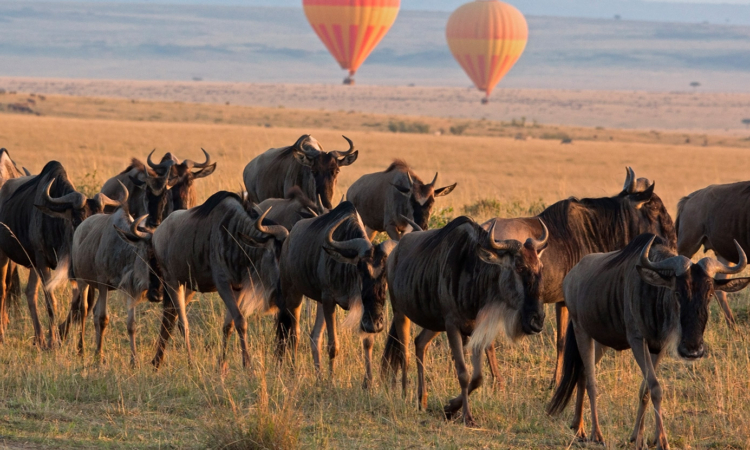
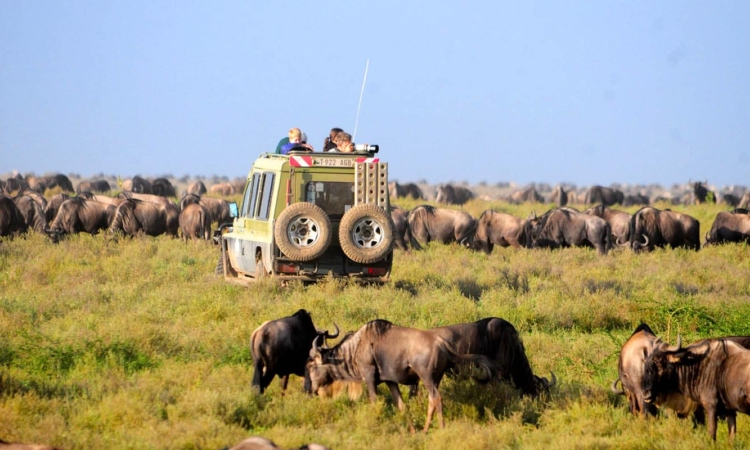
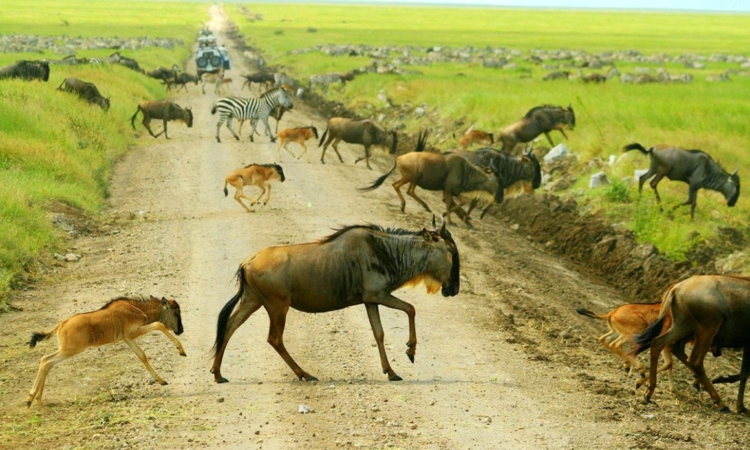
The Grumeti sector situated at the western corridor of Sector of Serengeti national park is part of the great wildebeest’s migration route every year when over 1.5 million animals migrate from Tanzania to Kenya in search of pasture and water. The river acts as a permanent water source for most animals in the park hence very important to the Serengeti ecosystem and biodiversity.
The Grumeti River is a travel highlight for most visitors who want to witness the River crossings, the river flows westward to Lake Victoria. Grumeti sector is less visited by most travellers to Serengeti but it provides those who dare to go further into its rolling hills and savannahs a true wilderness experience with less safari cars and crowds but with good wildlife viewing, Grumeti is also one of the sectors of Serengeti national park that you can explore on foot.
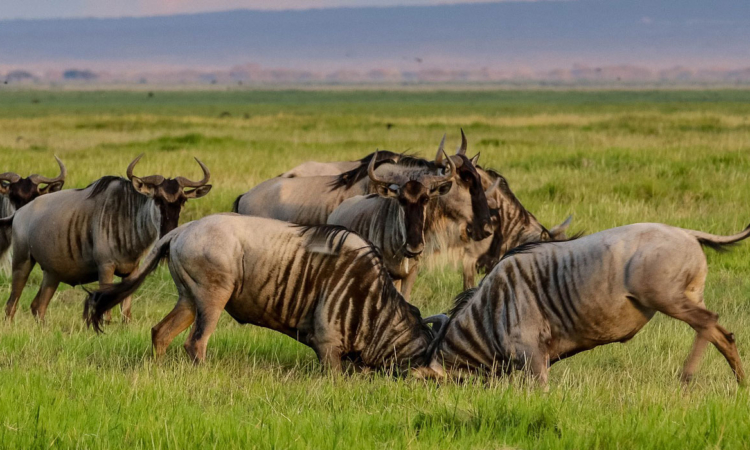
Wildebeest migration herds start arriving around Grumeti River every year at the end of May. The herds conjugate around the banks of Grumeti River for fresh pasture and water and this is also the mating season where you will spot many males battling for females. By the beginning of June the animals form large herds and start to cross the Grumeti River to continue their journey to Masai Mara. The river crossings are interesting to watch as crocodiles hunt down some animals during the river crossings.
Accommodation at the Grumeti sector of Serengeti is scarce. Therefore, travellers planning to visit must book in advance. To avoid disappointment of having no option of where to sleep because the area is a remote wilderness.