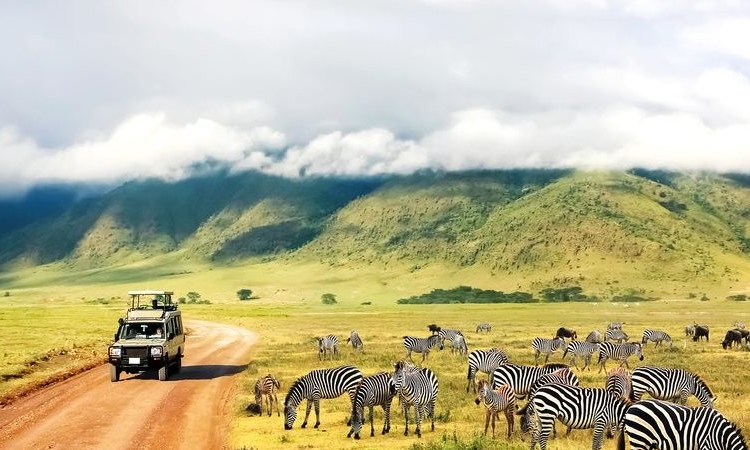
Ngorongoro craterThe name Ngorongoro is derived from a local Masai word. Used to describe the sound of the bell of a lead cow in a herd. The Masai people have I habited the area for hundreds of years.
The crater covers an area of 260 kilometers squared and its 610 meters deep and 1800 meters above sea level.
There is a seasonal lake called lake Magadi or Makat at the center of crater. Drained by Olmoti crater, Ngoitokitok stream and Lerai stream. This act as major sources of water for the animals at the crater.
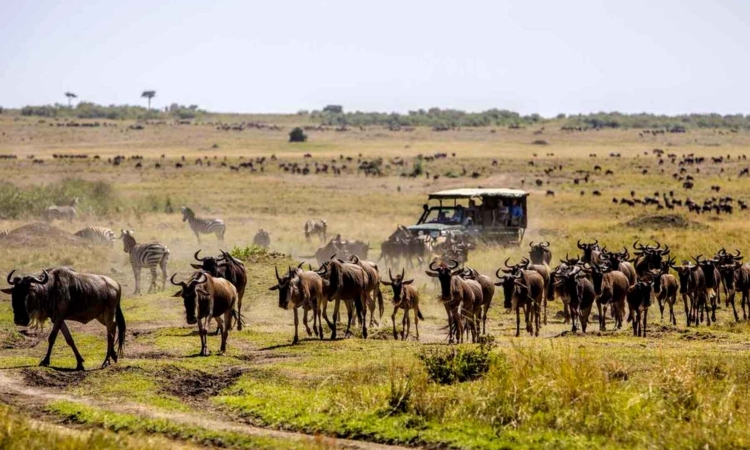
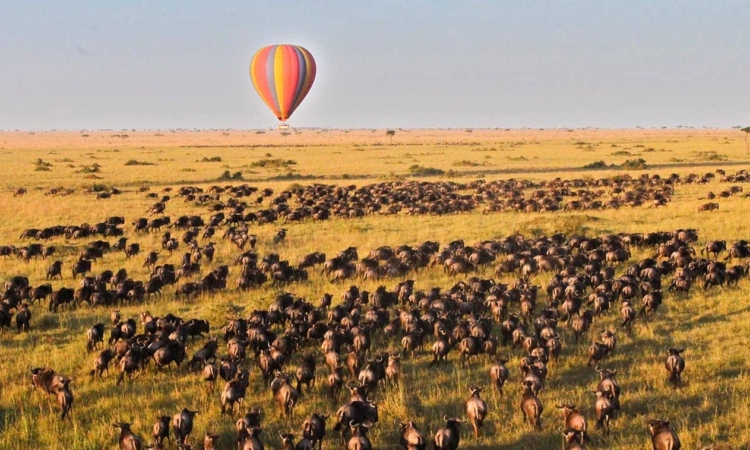
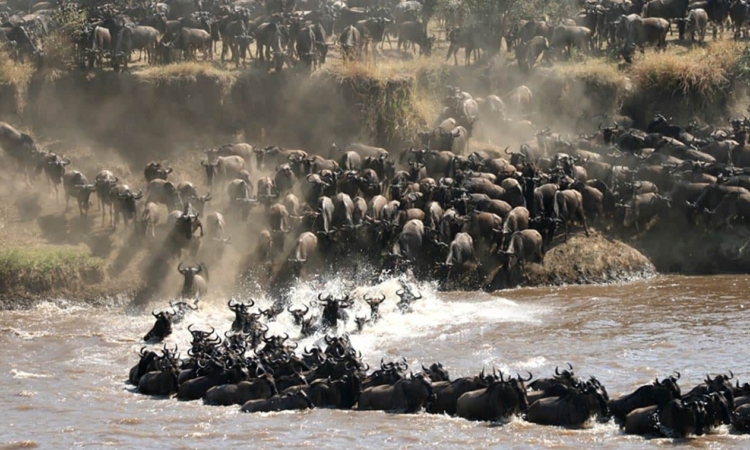
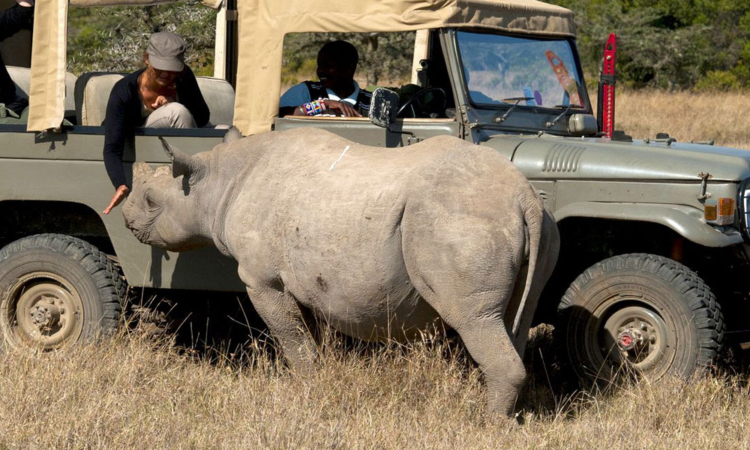
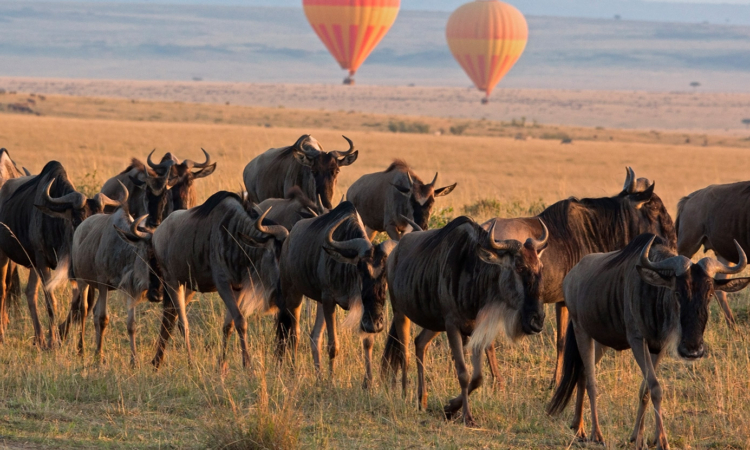
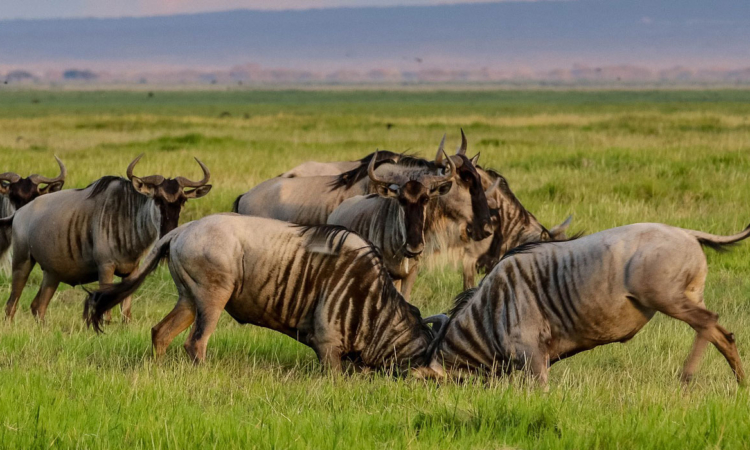
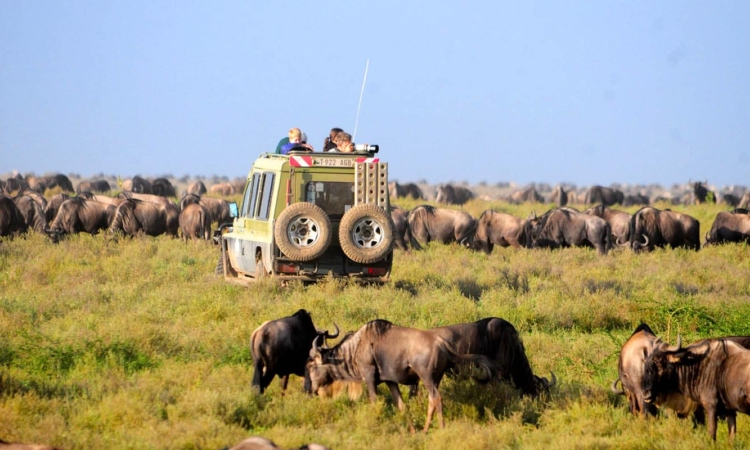
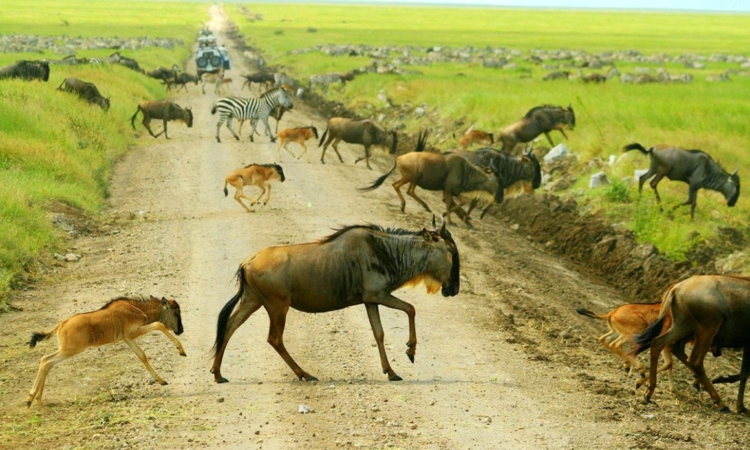
Ngorongoro crater has one of the densest concentration of animals in the world. With about 25,000 ungulates living in the crater. Some of the animals seen at the crater include. Leopards, lions, cheetahs, wildebeests rhinos, African wild dog, spotted hyenas, Thompson’s gazelle, waterbucks, hippos, zebras, cape buffalos, hippos and so much more.

Ngorongoro crater
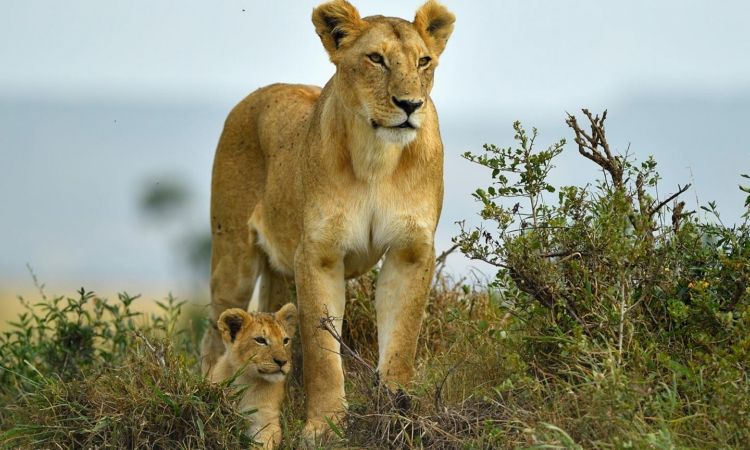
There are about 62 lions living in Ngorongoro crater. The number would have been bigger if disease hadn’t struck two times. Male lions in the crater guard their territories jealously expelling all the outsiders as soon as they enter the crater.
Fossil remains extracted from Olduvai gorge show that the area around the crater was inhabited by hunter gatherers. Replaced by the Mbulu and Datooga migrated to the area between 1700 to 2000 years ago. Its groups were driven out by the Masai pastoralists in the 1800s.
The Masai people shifted to Ngorongoro conservation area where they coexisted with wild life and grazed their cattle on the crater.
Oscar Baumann was the first European to visit Ngorongoro crater in 1892. Two German brothers later used the crater for farming and often invited their friends for shooting patties.