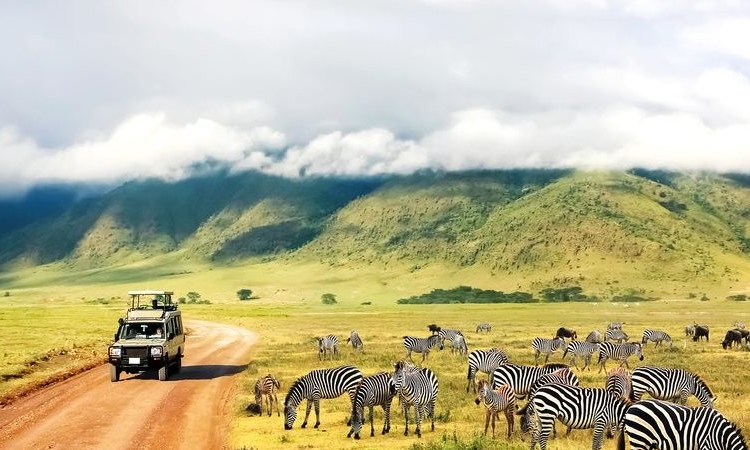
Serengeti national park is one of the most sought safari destinations in Africa renown for its exotic wildlife across the world. The name Serengeti is derived from a local Masai word Seringet translated to mean “endless plains”. The park was first gazette as a reserve in 1929 and later upgraded to a national park in 1951 making it one of the continents first conservation areas, the park was designated a world heritage site by UNESCO in 1981.
Serengeti national park covers an area of 14, 763 kilometers squared hosting 2 million ungulates, 550 cheetahs, 4000 lions, 1000 leopards, over 500 species of birds and so much more.
Wildlife watching
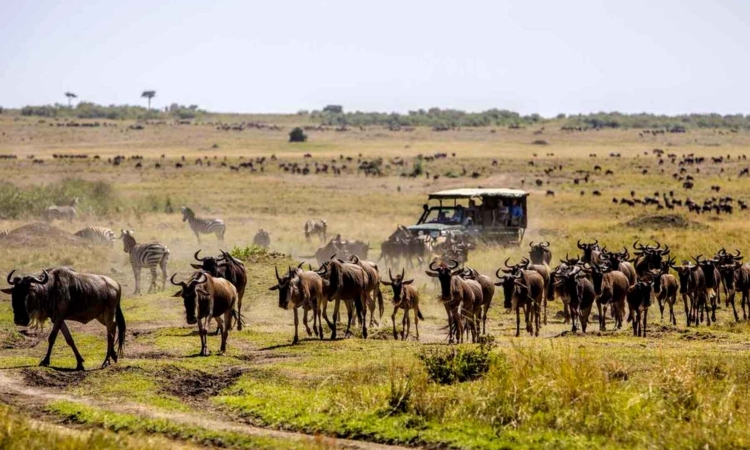
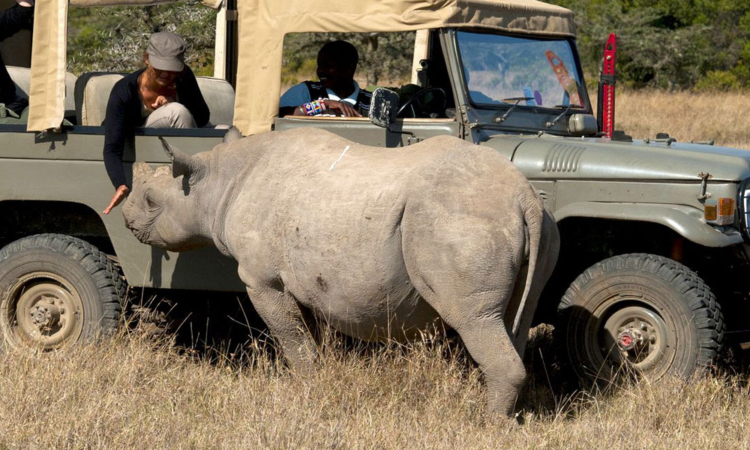
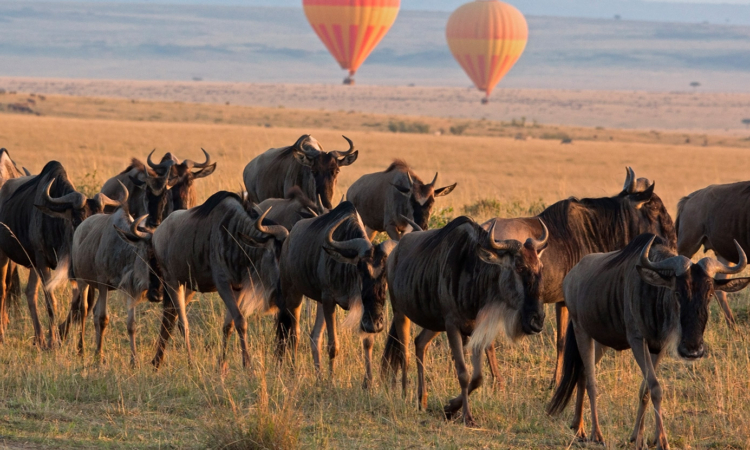
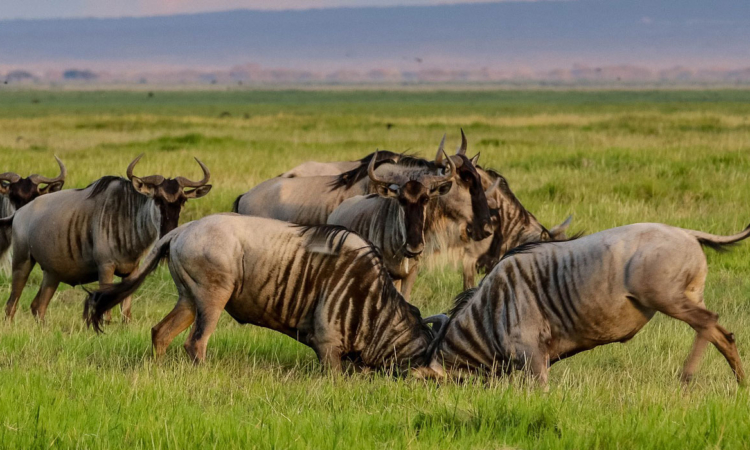
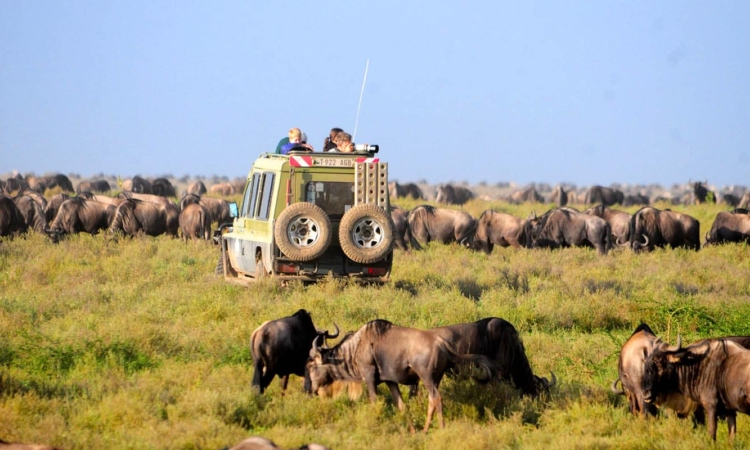
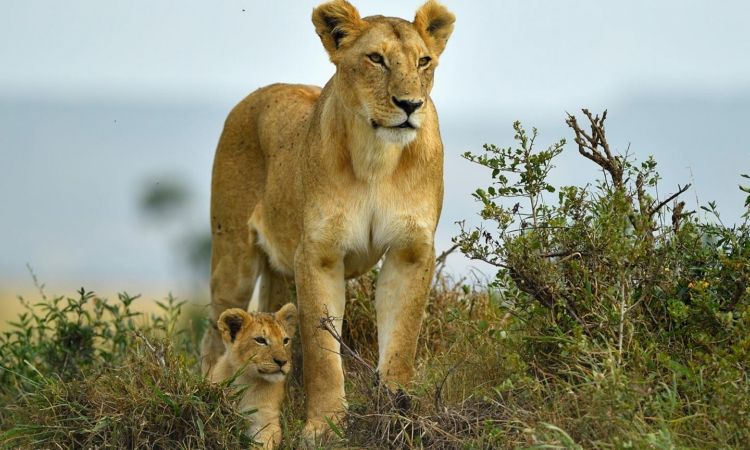
Some of the animals found at the park include African bush elephant, African cape buffalo, zebras, Thompson’s gazelle, crocodiles, hippos, hyenas, wildebeests, black rhinos, cheetahs, serval cat, caracals, olive baboons, patas mpnkeys, African wild dog, common genet, bat eared fox, warthogs, aardvarks, African python, common eland, African leopards and African golden wolf to mention a few.
Bird watching
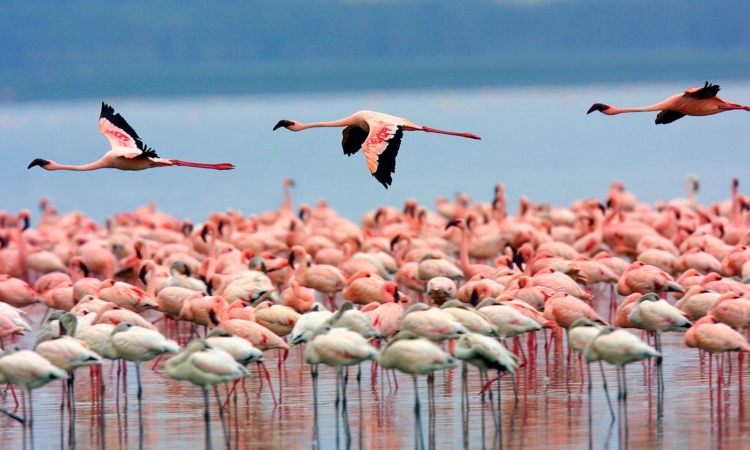
Serengeti national park is a birders paradise with over 500 species of birds recorded in the park. Making it one of the top bird enthusiasts destinations in Tanzania. Some of the examples of birds include; southern pochard, maccoa duck, Egyptian goose, common ostrich, white faced whistling duck, yellow billed ducks, African black duck, Shelley’s francolin, African olive pigeon, lemon dove, emerald spotted wood dove, montane night jar, little swift, African rail, grey crowned crane, kori bustard, black stork, squacco heron, intermediate egret, little ringed plover, African jacana, secretary bird, lapped faced vulture, black kite, African grass owl, grey woodpecker, African pigmy falcon and brown headed parrot to mention a few.
Cultural encounters
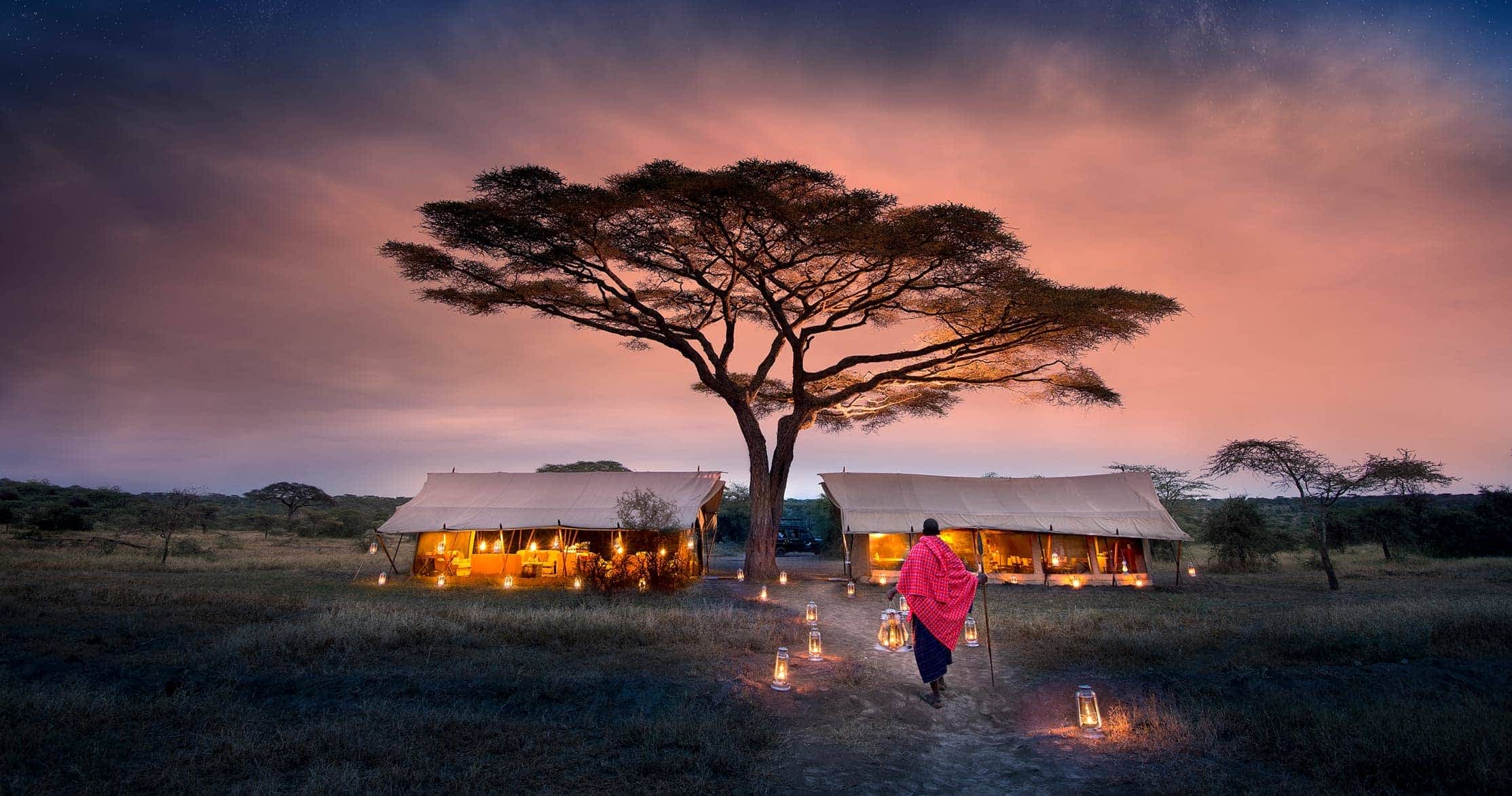
Serengeti national park is home to vibrant tribes with unique cultures. One of the most prominent tribes around the park are the Masai tribe. They pastoralists renown for their unique way of dressing and lifestyle across East Africa. You can visit the Masai villages to learn more about their way of life.

Best time to visit
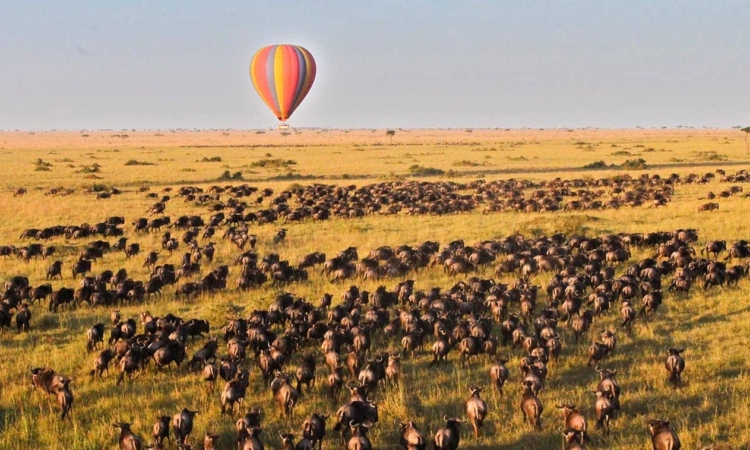
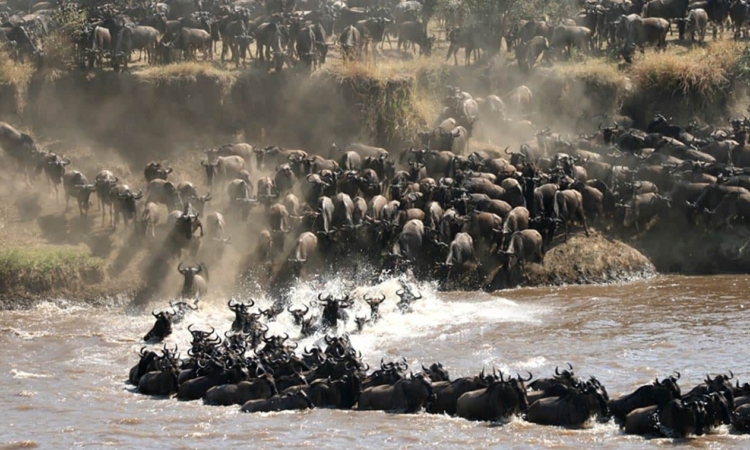
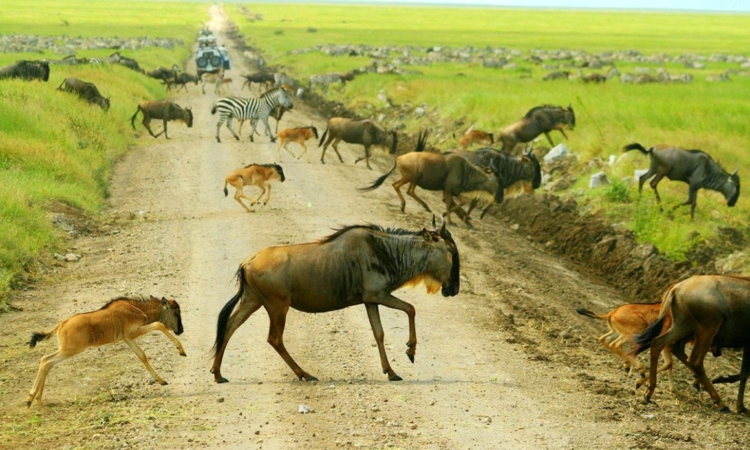
Serengeti national park is an all year round destination. But some months are better for visiting depending on your interest. The best time to see birthing seasons of the great migration is from January to February. The best time to see river crossings and overall wildlife viewing is from June to July and October.
How to get to Serengeti
There are various airstrips located at different sectors of the park. That can e reached through various standard chartered flights from all over Tanzaniam. Driving to Serengeti is also possible by road.