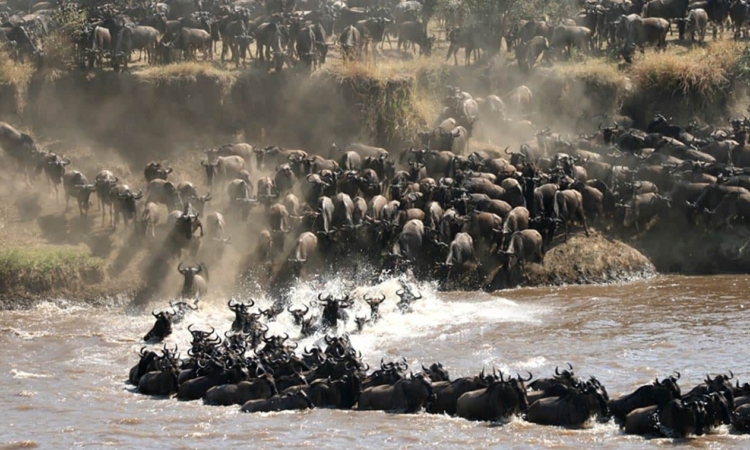
WHAT ANIMALS CAN I SEE IN THE GREAT MIGRATION – The great wildebeest’s migration is a spectacular wildlife phenomena and one of the world’s natural wonders that happens every year in East Africa. The animals move in search of better pasture and fresh water following thunderstorms and lightening indicating rain from a far. The long journey involves overcoming many obstacles along the way like predation, starvation and drowning.
What animals can I see in the great migration?
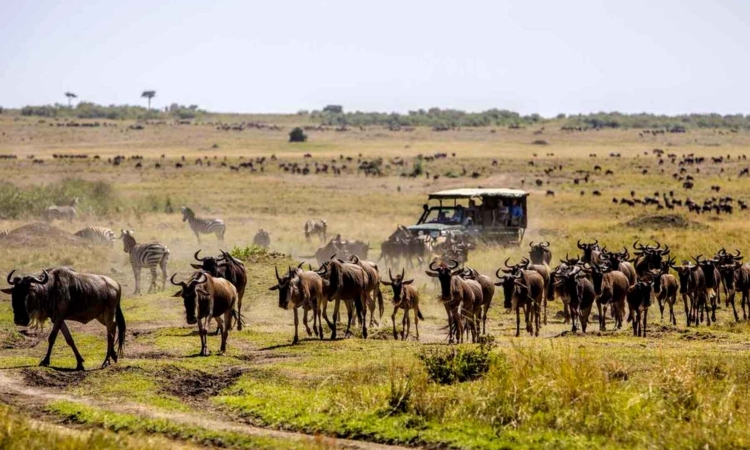
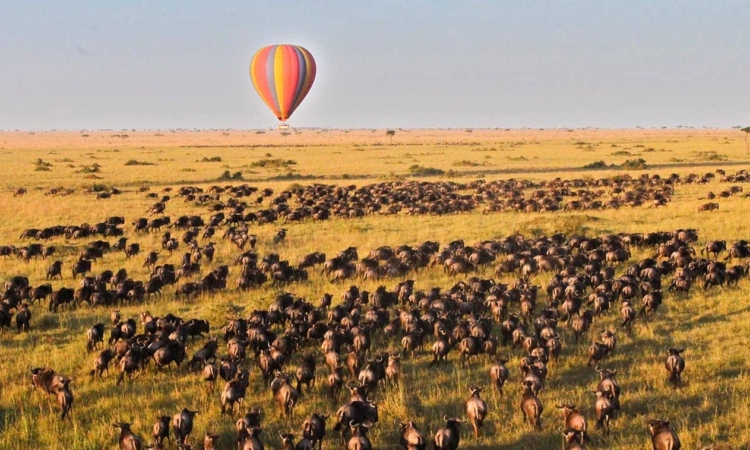
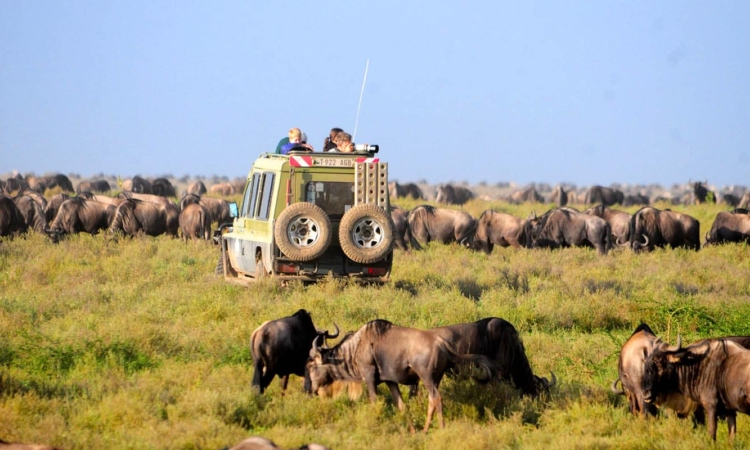
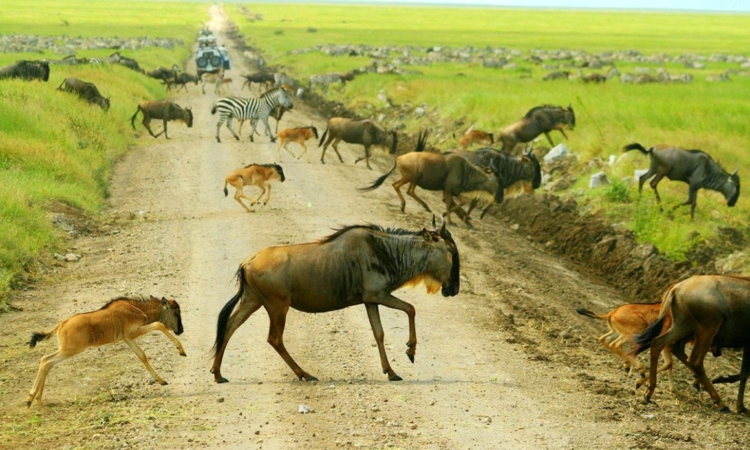
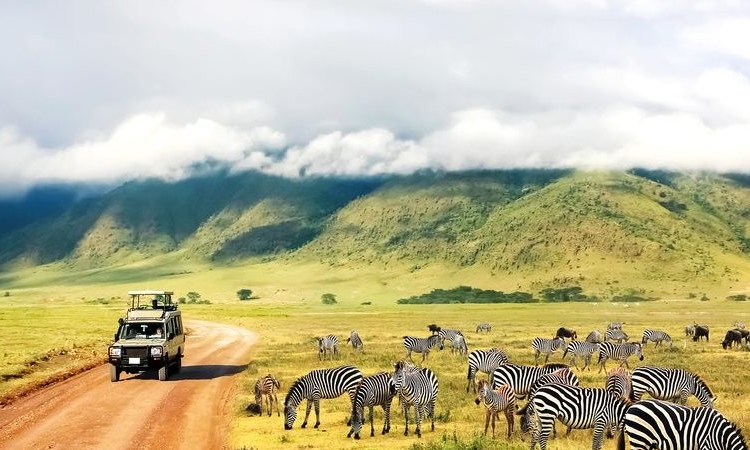
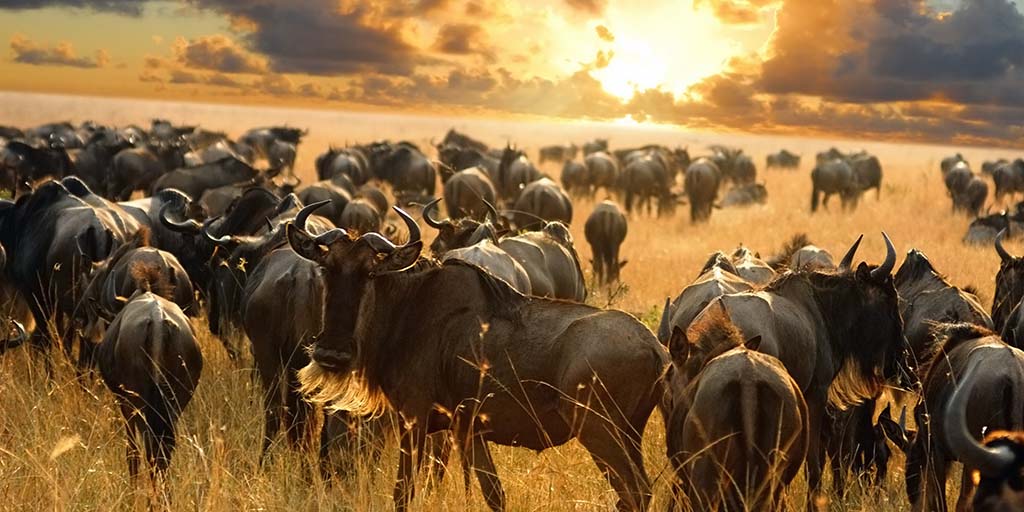
The great wildebeest migration involves over 1 million wildebeests, thousands of zebras, gazelles, topis, elands and other animals. The migration came to be called the wildebeest migration because wildebeests are the most numerous among the migration herds but other animals also participate. Some of the animals that can be seen in the great migration can be seen below.
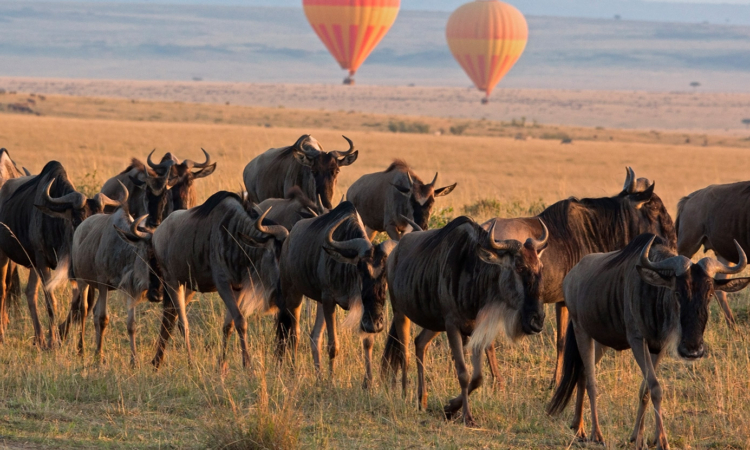
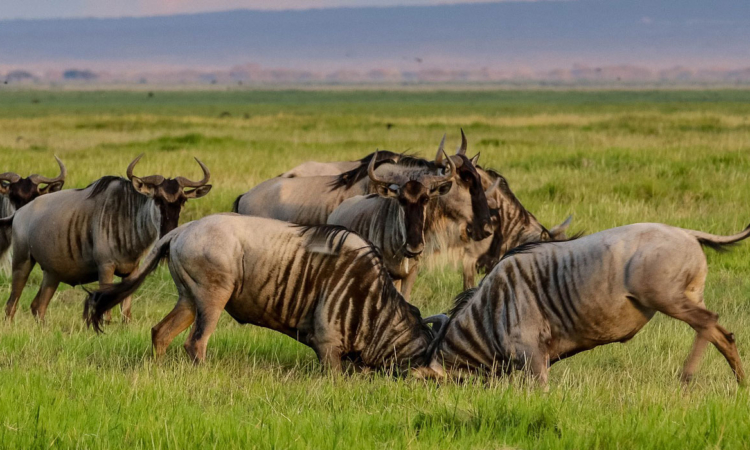
Wildebeests
Wildebeests are the largest number of animals during the migration with over 1 million wildebeests participating in the journey.
Zebras
About 400,000 zebras join wildebeests every year during the migration.
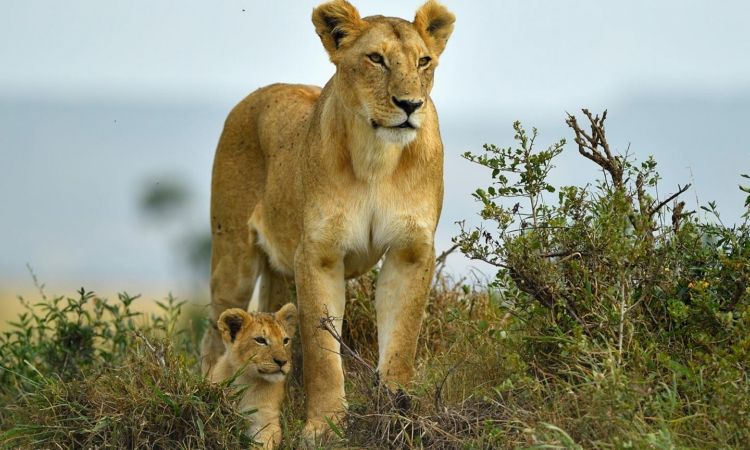
Lions
Lions are the main predators of migration herds always waiting to prey from time to time sometimes even trying to follow up the herds.
Thompsons and Grants Gazelles
Thompson’s gazelles and Grant gazelles take part of the great wildebeest’s migration, they usually graze on the new freshly growing grass from what the wildebeests and zebras finish eating.
Elands
Hundreds of elands also join zebras and wildebeests during the migration.
Crocodiles
Numerous crocodiles can be seen at Grumeti and Mara rivers during the migration, they usually wait for the opportunity when the animals start crossing to capture their prey.
Cheetahs
Cheetah sightings are possible especially from October to January during the wildebeest’s migration.
Leopards
Though rare because of their shy nature leopards can also be seen during the wildebeest’s migration.
Vultures
Vultures usually follow wildebeest’s migration herds to consume carcases left by predators.
Hyenas
Hyenas are also a common sighting during the great wildebeest’s migration following the herds to predate or waiting for an opportunity to steal from other predators when they cant hunt for themselves sometimes.
The ungulates are able to move and coexist during the migration because they graze different parts of the same grass.
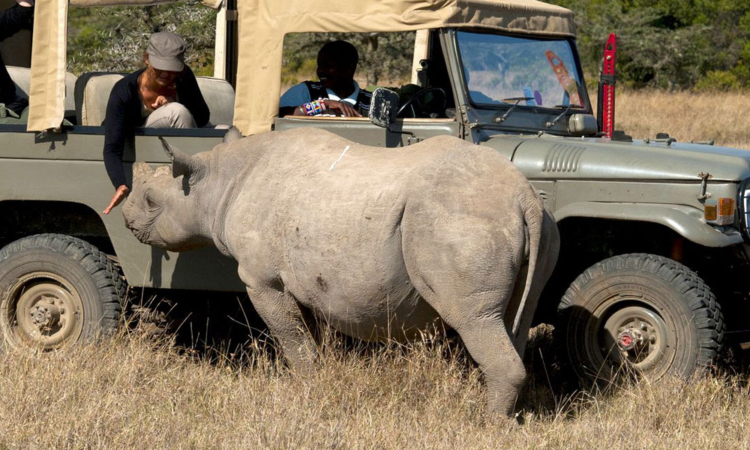
It should be noted that migration herds are not the only animals you can see while on a migration safari in Serengeti national park or Masai Mara. During game drives travellers can also see other animals like elephants, warthogs, Jackson’s hartebeests, genets, olive baboons, bush bucks, cape buffalos, jackals, rhinos, klipspringer and buffalos to mention a few. Bird enthusiasts can also be sure to spot several species of birds found at the reserve.