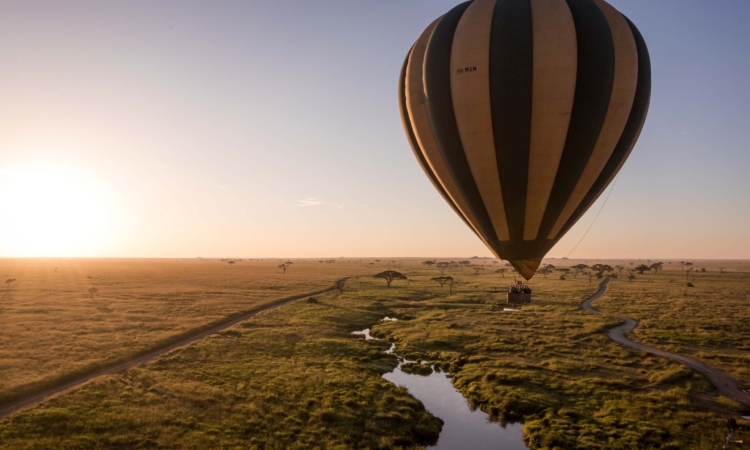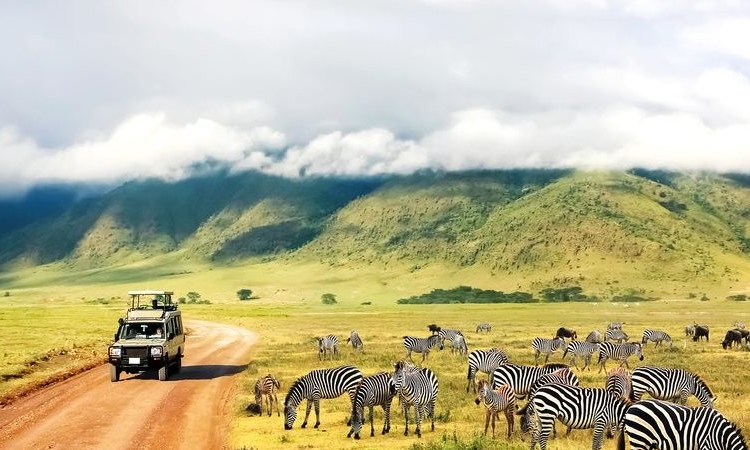
The name Serengeti was derived from a local Masai dialect “Serenget” meaning “endless plains’. The ecosystem is located on the northern part of Tanzania covering over 30,000 kilometers squared dominated by riverine forests, woodlands, grasslands, lakes, rivers and mountain dotted by granite and gneiss outcroppings.

The Serengeti Ecosystem
The Serengeti Ecosystem comprises of Serengeti national park and other game reserves bordering it. The ecosystem hosts a high concentration of wildlife and its renown for the great wildebeests migration which is among the top natural wonders of the world.
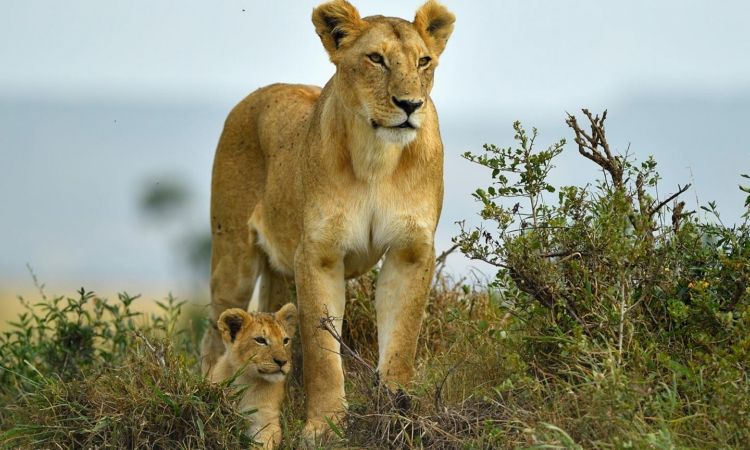
The Serengeti ecosystem supports an habitat for animals like. 1000 African leopards, 3000 lions, 8000 striped hyenas, cape buffalos, cheetahs, gazelles elephants, wildebeests, topis, waterbucks, zebras, spotted hyenas, African wild dog, dik diks, mpalas, giraffes, crocodiles, hippos and so mu h more.
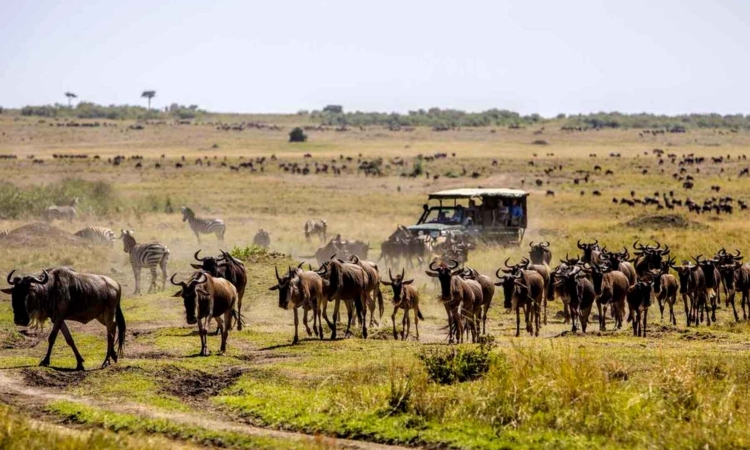
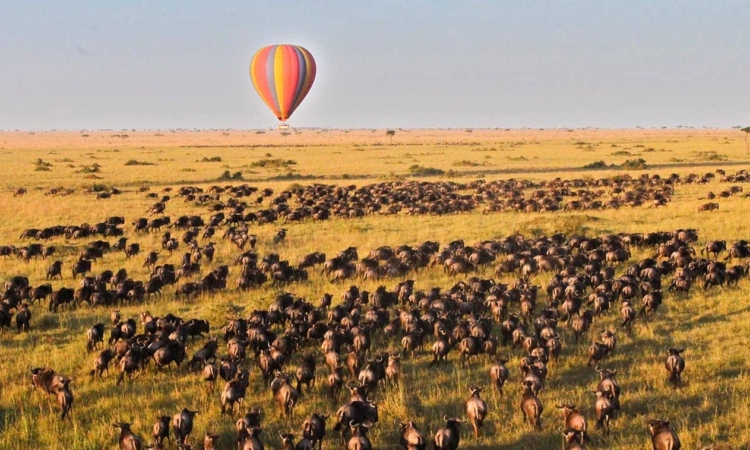
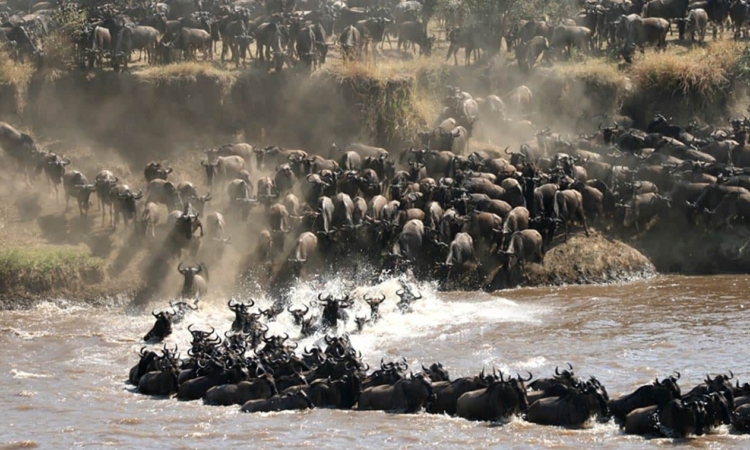
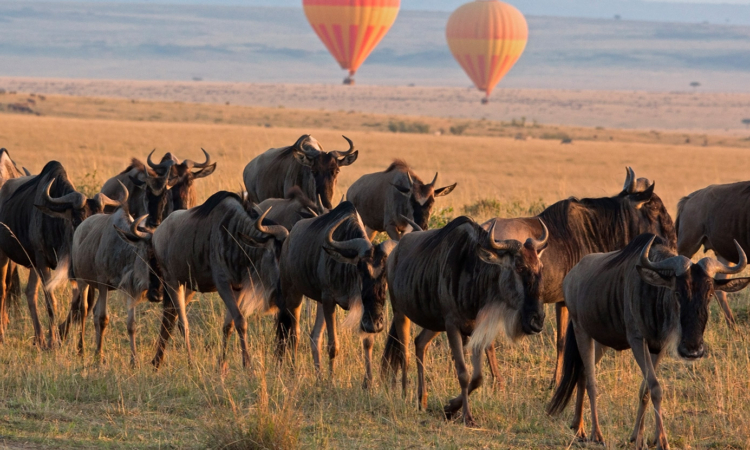
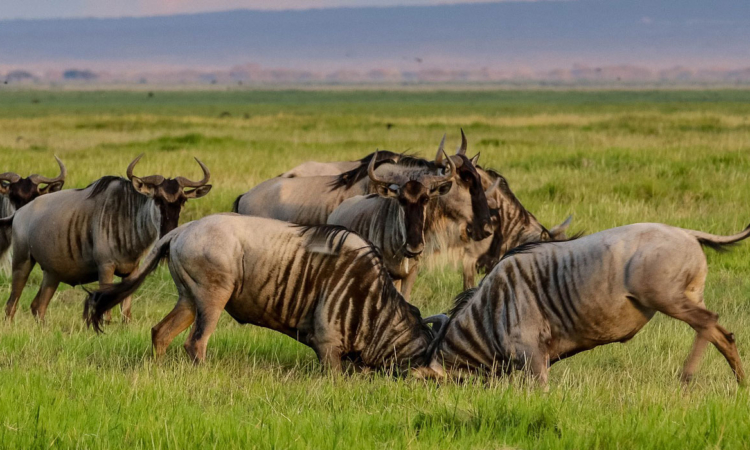
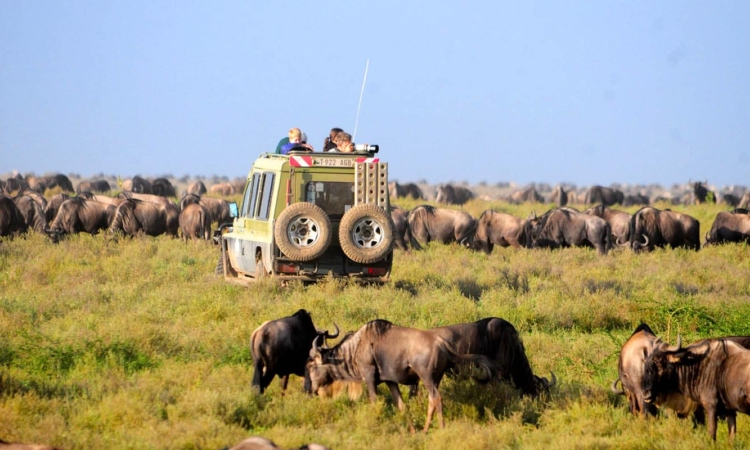
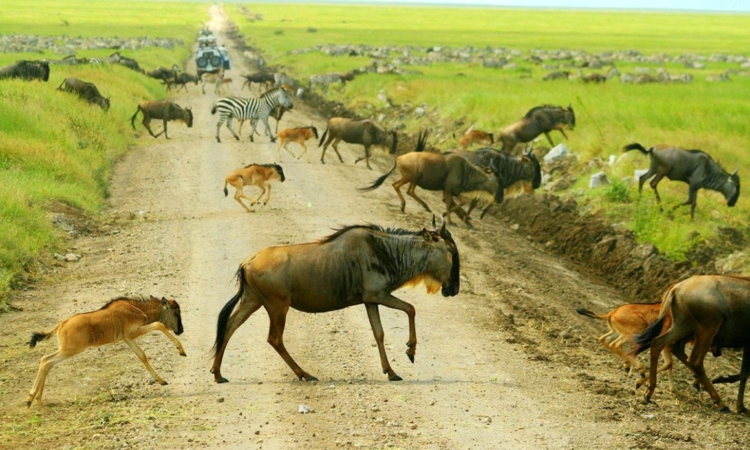
The greatest wildlife show and one of the most prominent wildlife migrations on earth takes place at the Serengeti where over 1 million wildebeests, thousands of zebras, gazelles and other antelopes embark on a journey to search for nutricious fresh grass and water. The animals are able to coexist during the migration because each of them eats different parts of the same grass.
The altitudes at the eco system range from 920 meters to 1850 meters. The Serengeti ecosystem protects the largest concentration of wildlife on earth.
The wildebeests migration largely contributes to the Serengeti ecosystem. By herds softening the soils with their hooves and nourish the soils with urination. A study has also shown that wildebeests saliva contains a component that stimulates the growth of grass. Vegetation and landscapes varies. while in Serengeti.
The wildlife and vegetation of Serengeti have slightly changed for millions of years.
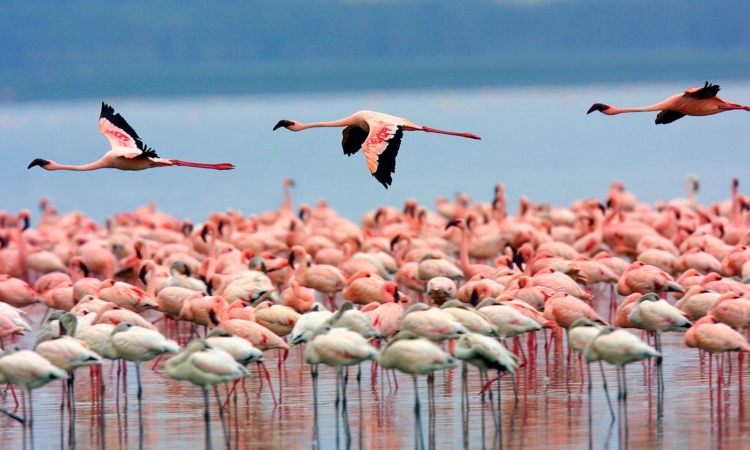
Serengeti ecosystem is one of the best for seeing wildlife in their natural habitat. There are over 500 species of birds recorded across the Serengeti.