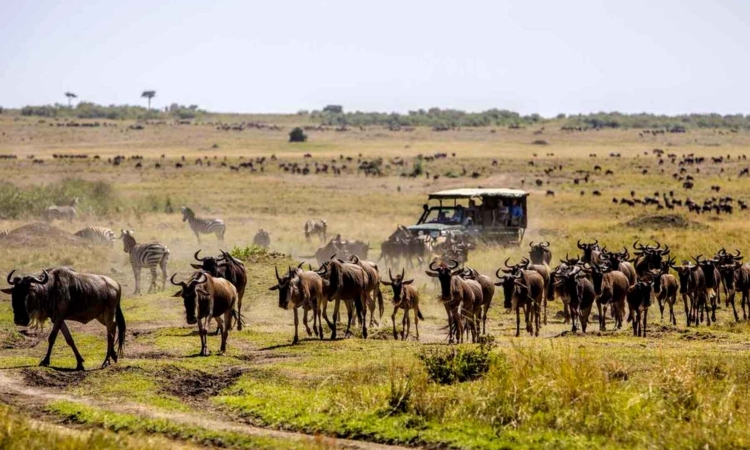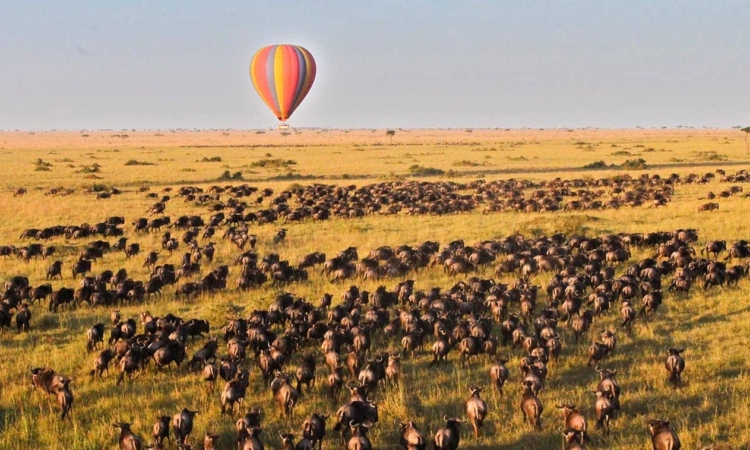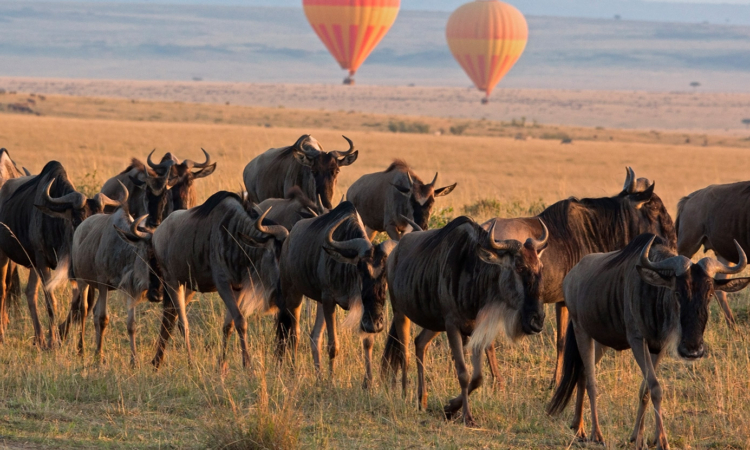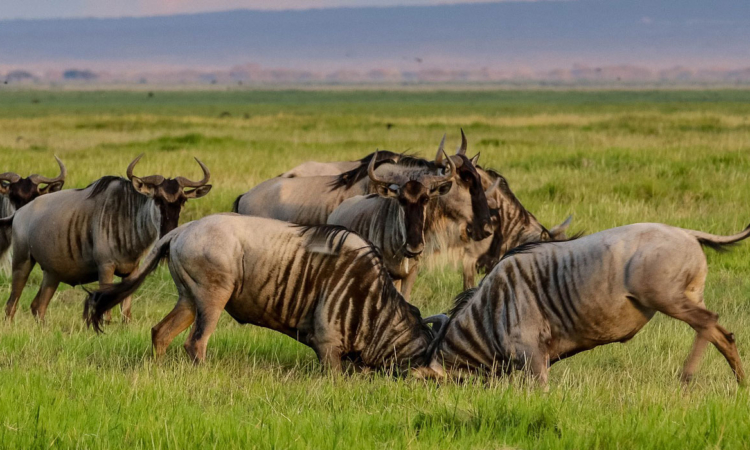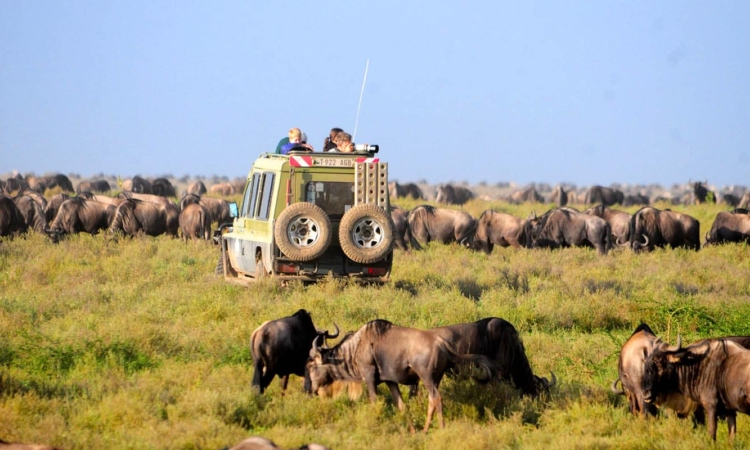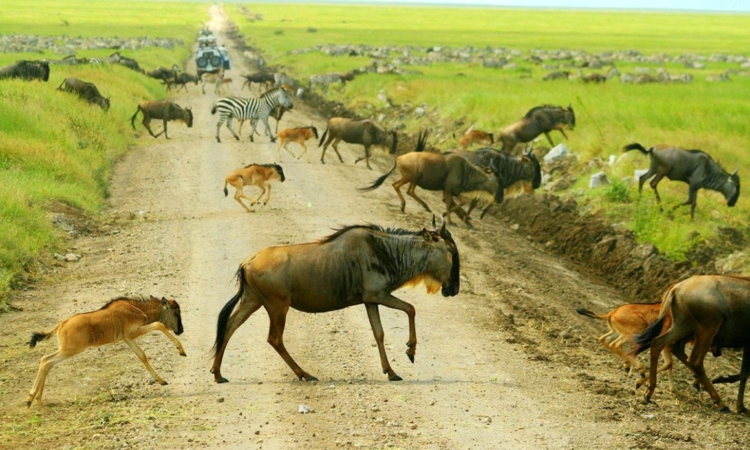
HOW MANY WILDEBEESTS SURVIVE THE MIGRATION? Wildebeests are also known as gnu, they are subdivided into two species endemic to East and South Africa. Every year in Africa, over 1.5 million wildebeests embark on a 1000 kilometre in search of fresh pastures and water.
Over the years this spectacular animal event has successfully occurred annually hence attracting millions of tourists from all over the world who want to witness one of the most breath-taking wildlife shows on earth.
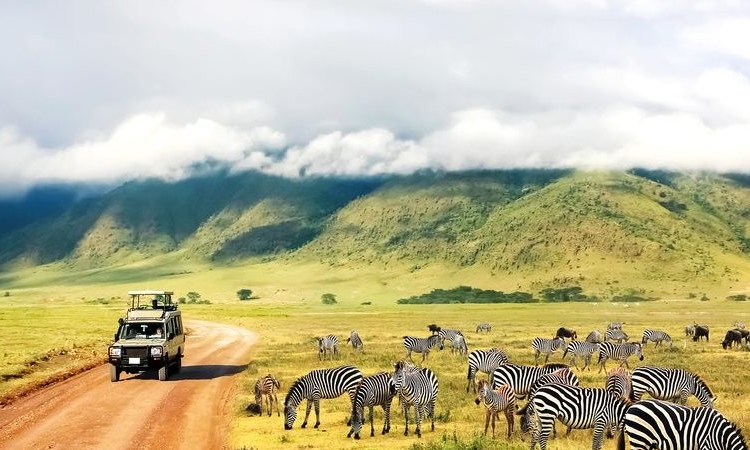
The migration is known as the wildebeest’s migration because they are the majority during the migration but other animals such as zebras, gazelles, elands and other animals also participate in the migration.
Thompson’s gazelles usually follow the herds to eat the newly grown grass from where the wildebeest have finished grazing. Zebras and wildebeests also eat different parts of the same grass making it easy for them to coexist during the migration.
How many wildebeests survive the migration?
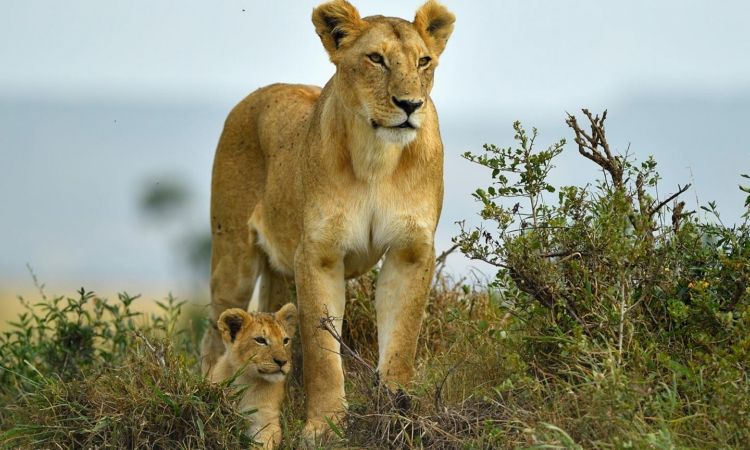
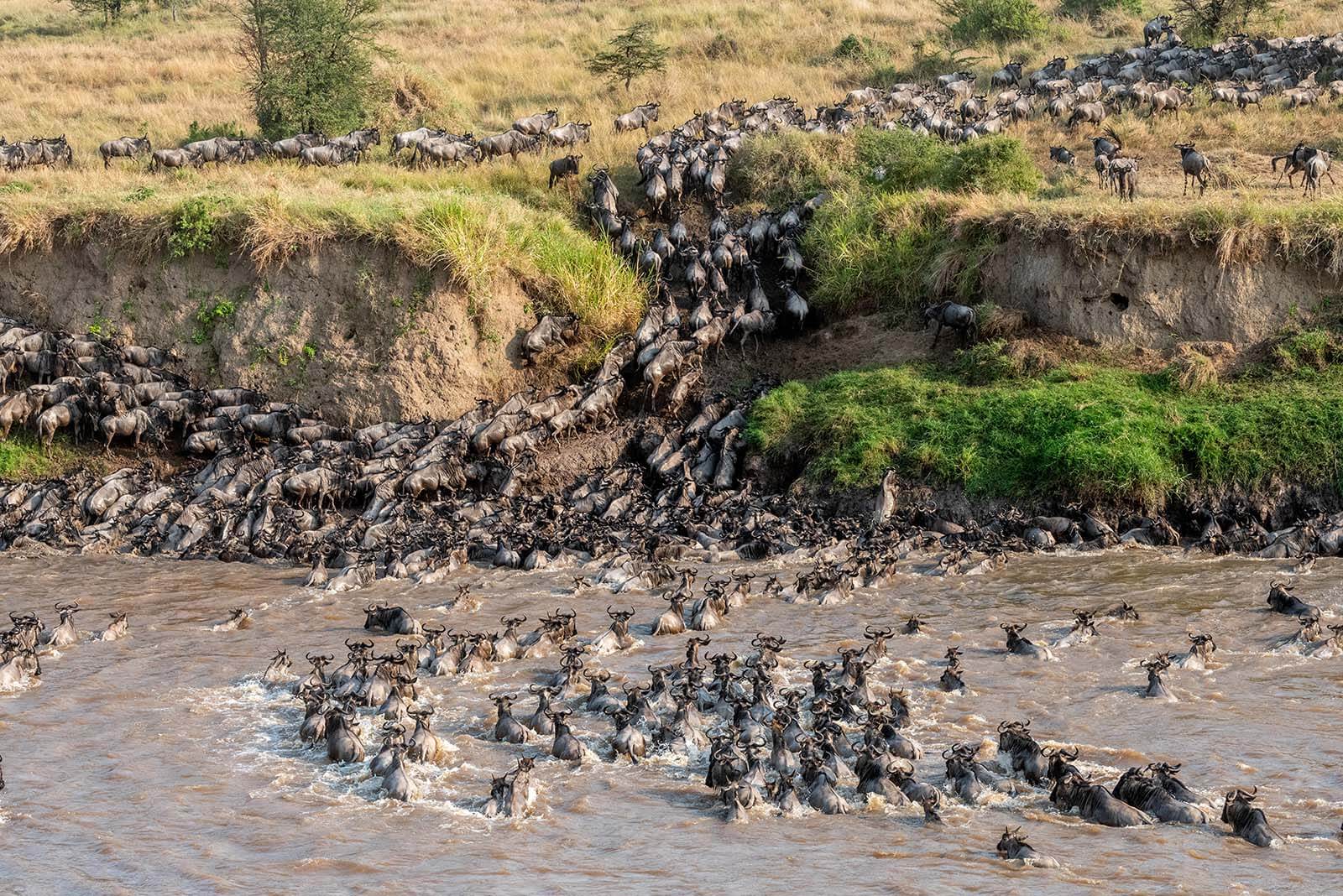
During the migration journey, wildebeests face a lot of obstacles along the way. Hence not all the animals survive the migration. About 250000 wildebeests die during the migration with the main cause of death being predation from animals like lions, cheetahs, leopards, hyenas, African wild dogs that target migration herds.
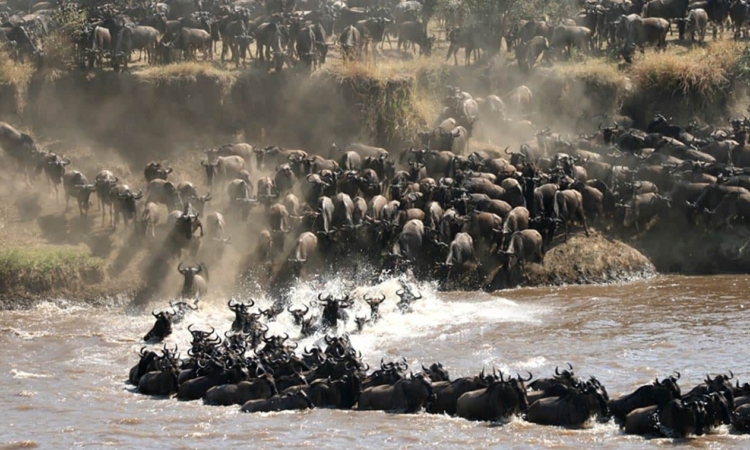
The crocodile infested Mara and Grumeti Rivers also contribute to the death of many wildebeests. During the migration, the crocodiles ambush the animals during the river crossings. The other cause of death is stampede and drowning especially at the Mara River where water levels can be high. Wildebeests also die due to starvation, thirst and exhaustion during the dry season when grass and water is scarce.
The wildebeest’s migration herds are also usually followed up by vultures that consume the leftover carcasses from predators.
Over 80% of animals survive during the great migration. Wildebeests defend themselves from predators. By herding in groups where the young ones are protected by the older ones in the group. During the night some animals keep watch on standby while the other animals sleep and later do this in turns.
Groupings in large herds also reduce the risk of predation. Alarm calls from other animals like baboons also alert wildebeest’s migration herds of danger.
Tourists who want to witness the great wildebeest’s migration can book their safari in Masai Mara game reserve. Or Serengeti national park in Tanzania but they must keep up with the migration herds’ movement and location for the best experience.