Masai Mara national reserve is one of the most visited wildlife reserves in Africa. The name Masai was derived from the local Masai people who inhabit the area while Mara is derived from a local Masai word translated to mean “spotted”. The reserve covers an area of 1,510 kilometers squared.

Masai Mara facts
Mara national reserve offers excellent wildlife viewing opportunities throughout the year making it one of the most visited conservation areas in Africa.
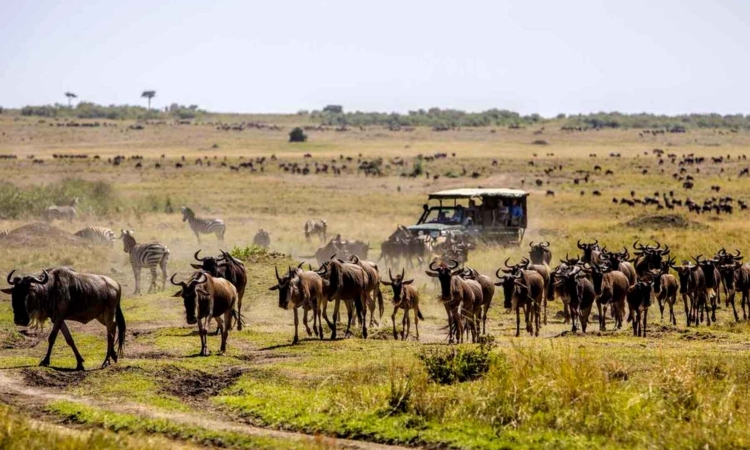
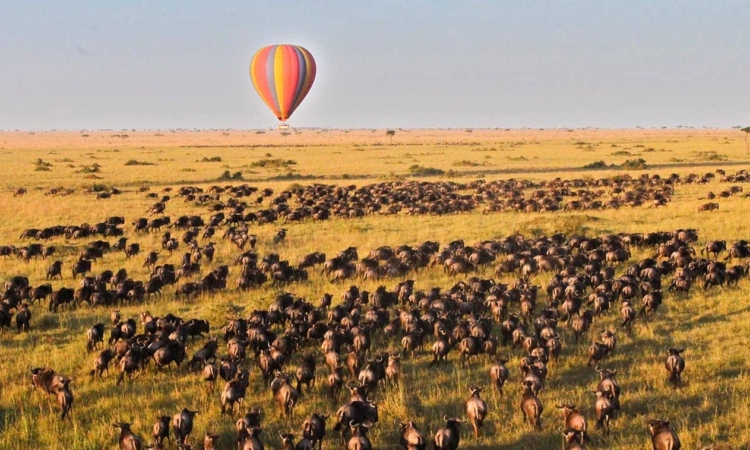
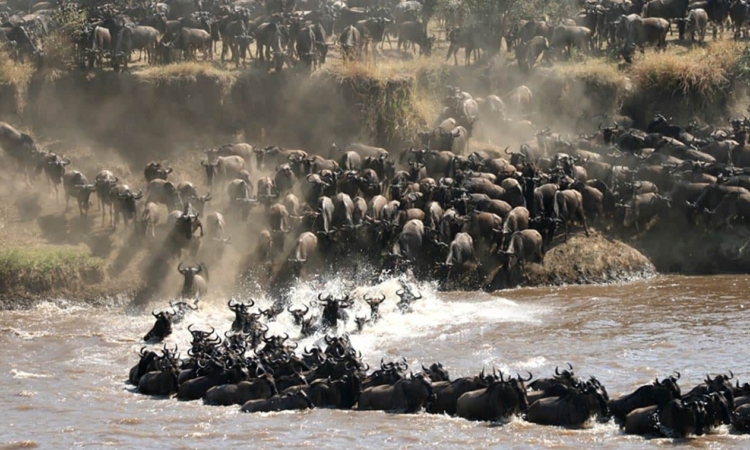
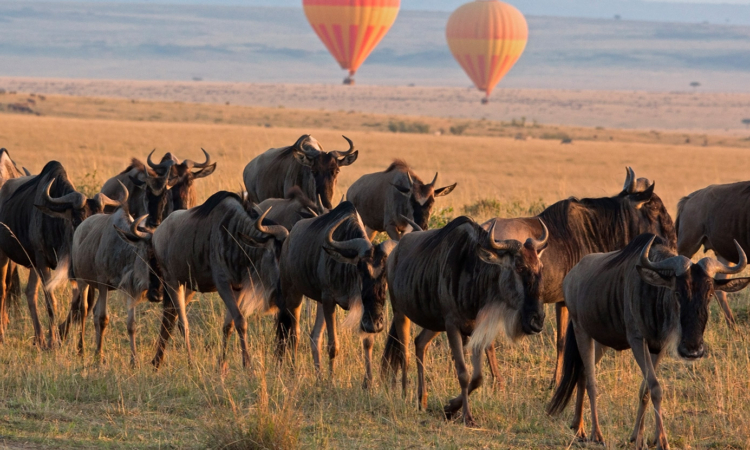
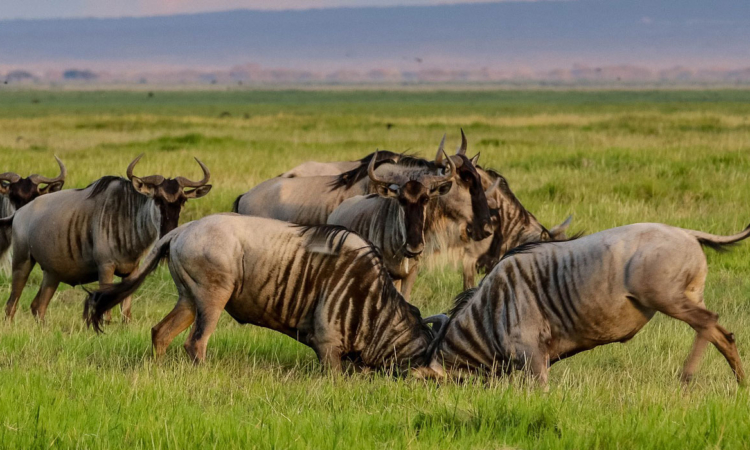
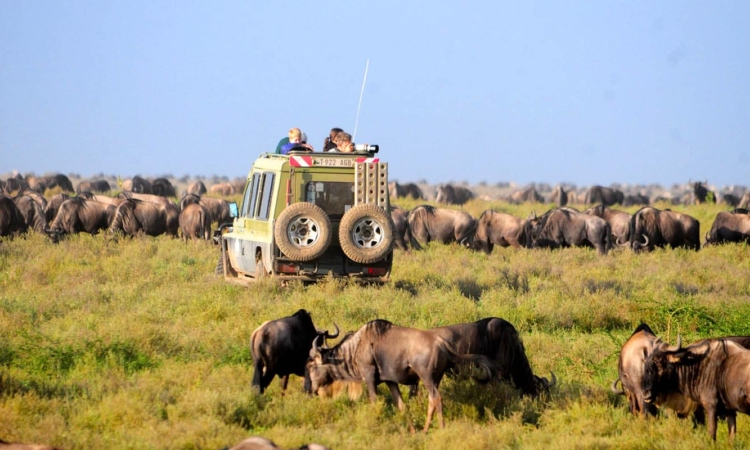
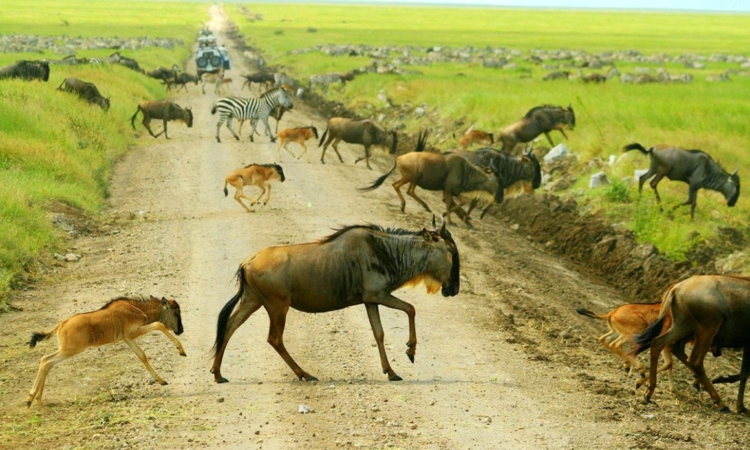
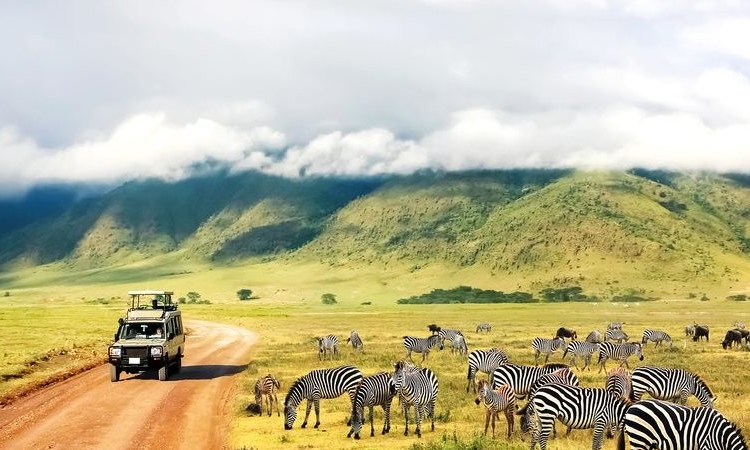
Mara is famous for the wildebeests migration that involves over a million wildebeests, thousands of zebras, gazelles and other antelopes crossing to the reserve in search water and pasture from the neighboring Serengeti national park.
Masai Mara derives its name from the local Masai people who have inhabited the region for hundreds of years.
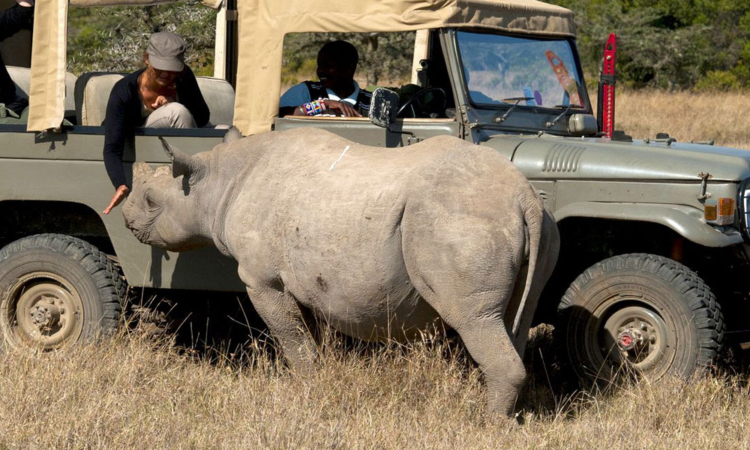
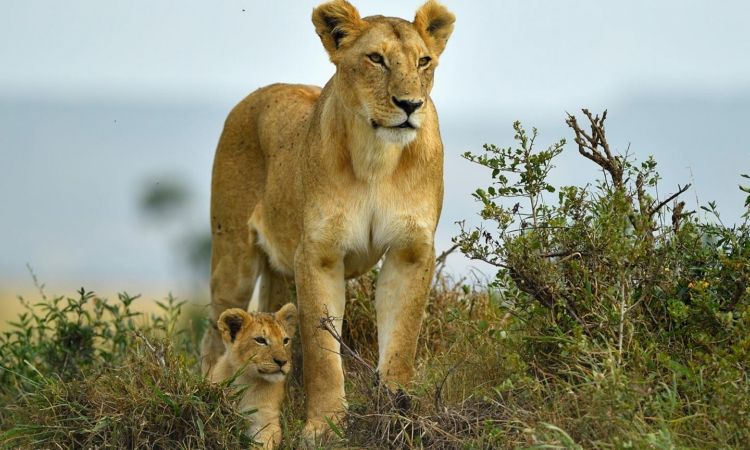
While in Masai Mara national reserve, it’s possible to spot the big African five that is Lion, Leopard, Elephant, Rhino and Buffalo.
There are rules and regulations to follow while at Masai Mara national reserve.
Masai Mara national reserve is managed by the local Masai people. They live around the reserve unlike other Kenyan national parks managed by the Kenya wildlife service
On the 15th of September every year, the Masai people celebrate a day they call Masai day. When wilderness start to return to Serengeti national park in Tanzania.
There are a number of conservancies located adjacent to Masai Mara game reserve also providing good wildlife viewing opportunities. These conservancies are part of the Mara eco system that also includes the Mara triangle.
Masai Mara was first established as a wildlife Sanctuary in 196, it was gazetted as a national reserve in 1974.
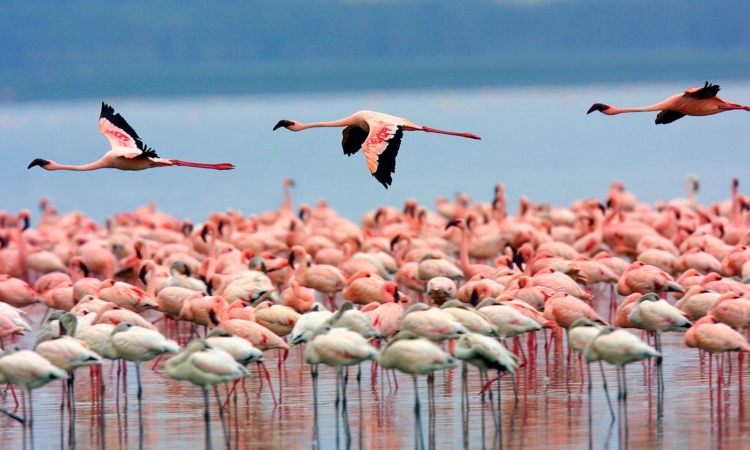
Masai Mara national park is a birders paradise with over 500 species of birds recorded at the reserve.
Game drives at Masai Mara national reserve can be done anytime of the day. And night game drives are also possible at a fee.
Masai Mara boasts with one of the highest number with big cats.
The reserve has the highest concentration of hyenas in Kenya. It’s also a hyena research center.